Hepatic Encephalopathy
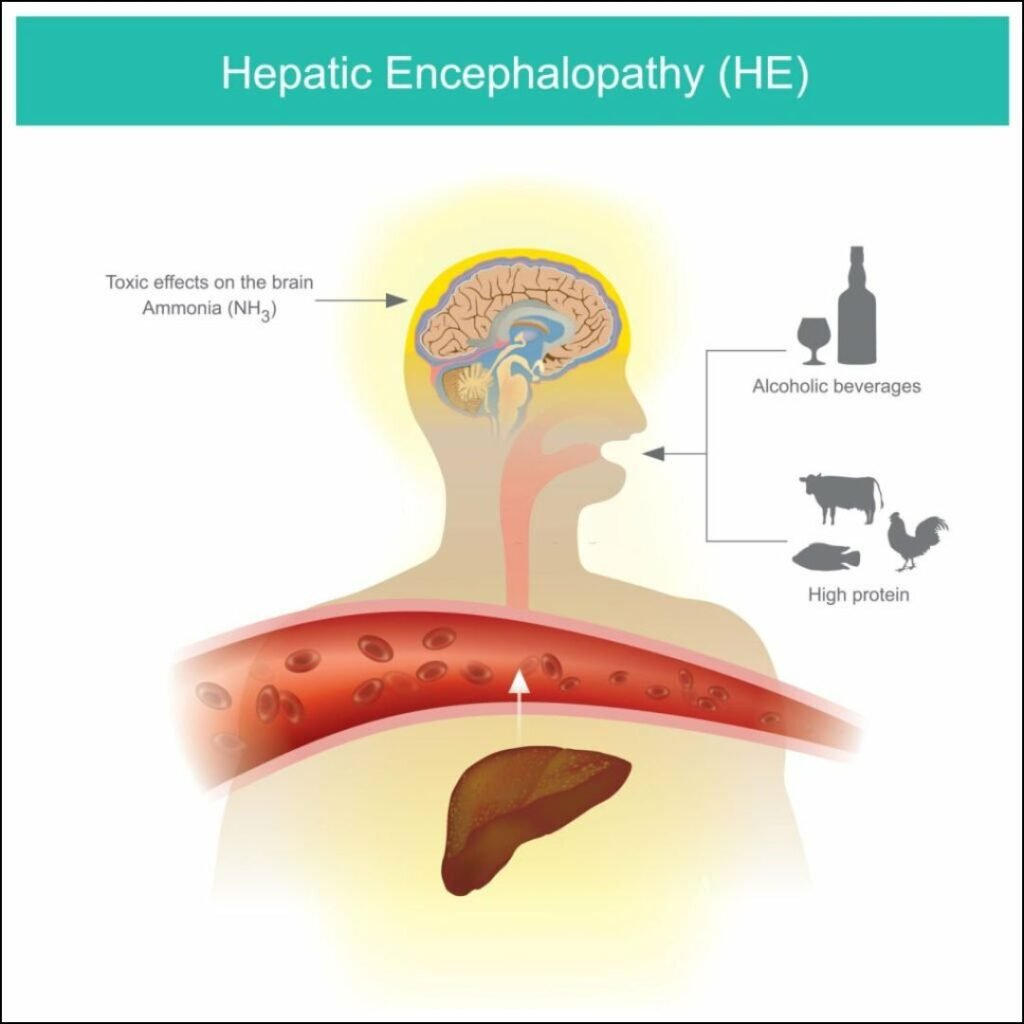
Hepatic Encephalopathy (HE) is a neurological complication that can occur when severe liver dysfunction prevents the liver from adequately removing certain toxins from the blood. These substances can affect brain function and may lead to changes in concentration, memory, sleep patterns, behavior, coordination, and consciousness.
Hepatic Encephalopathy is most commonly associated with advanced chronic liver disease and cirrhosis. It can range from subtle changes in mental function to severe confusion and loss of consciousness. Early recognition and treatment of the underlying trigger are essential to reduce complications and improve patient safety.
Step 1: Detailed Clinical Assessment
The evaluation begins with a comprehensive medical and neurological assessment. The doctor reviews the patient's liver history, previous episodes of confusion, medications, recent illnesses, bowel habits, hydration status, alcohol or medication exposure when relevant, and any recent hospitalization or procedure.
Symptoms may include:
Difficulty concentrating
Forgetfulness
Confusion or disorientation
Changes in sleep patterns
Personality or behavioral changes
Slurred speech
Reduced coordination
Drowsiness
Tremors or abnormal hand movements
Severe cases may involve marked reduction in consciousness
Step 2: Assessment of Mental Status
The patient's level of alertness, orientation, attention, memory, speech, and coordination are assessed.
The doctor may ask simple questions and perform neurological examinations to identify changes in cognitive function and determine the severity of the episode.
Because symptoms can vary significantly, assessment is based on the overall clinical picture rather than a single test.
Step 3: Identifying the Trigger
An important part of managing Hepatic Encephalopathy is identifying and treating the factor that may have caused or worsened the episode.
Possible triggers include:
Gastrointestinal bleeding
Infection
Constipation
Dehydration
Electrolyte abnormalities
Kidney dysfunction
Excessive use of certain medications
Sedative medicines
Excessive dietary or metabolic disturbances
Acute worsening of liver function
Finding the trigger allows treatment to be directed toward the underlying cause as well as the encephalopathy itself.
Step 4: Laboratory Investigations
Blood tests may be performed to evaluate liver function, kidney function, electrolytes, blood counts, and possible infection.
Depending on the clinical situation, investigations may include:
Liver function tests
Bilirubin
Albumin
Complete blood count
Kidney function tests
Electrolytes
Blood glucose
Infection-related investigations
Other tests based on the patient's symptoms
Ammonia levels may sometimes be measured, but the diagnosis and severity of Hepatic Encephalopathy are primarily determined through clinical assessment rather than relying on ammonia levels alone.
Step 5: Evaluation for Gastrointestinal Bleeding
Gastrointestinal bleeding can trigger or worsen Hepatic Encephalopathy, particularly in patients with advanced liver disease and portal hypertension.
The doctor may assess for signs such as vomiting blood, black stools, anemia, or other evidence of blood loss.
If bleeding is suspected, urgent evaluation and appropriate endoscopic management may be required.
Step 6: Management of Precipitating Factors
Once a trigger has been identified, treatment focuses on correcting the underlying problem.
This may include treating an infection, correcting dehydration or electrolyte abnormalities, managing gastrointestinal bleeding, addressing constipation, reviewing medications, or treating kidney-related problems.
Managing the trigger is a key part of preventing further episodes.
Step 7: Medical Treatment
Treatment for Hepatic Encephalopathy may include medications designed to reduce the absorption or production of substances that contribute to neurological symptoms.
Lactulose is commonly used in appropriate patients and works by altering the intestinal environment and increasing the elimination of ammonia through bowel movements.
Other treatments, including rifaximin, may be considered in selected patients, particularly those with recurrent episodes, according to the treating physician's assessment.
Medication and dosing are individualized according to the patient's condition and response.
Step 8: Bowel Management
Constipation can contribute to Hepatic Encephalopathy by increasing the accumulation of ammonia and other substances in the intestine.
Maintaining an appropriate bowel routine is therefore an important part of management. Lactulose may be adjusted under medical supervision to achieve the intended therapeutic bowel pattern while avoiding excessive diarrhea or dehydration.
Step 9: Nutritional and Hydration Support
Patients with chronic liver disease require individualized nutritional management. Adequate energy and protein intake are important for maintaining muscle mass and overall health.
Unnecessary protein restriction is generally avoided unless there is a specific medical reason. The doctor or dietitian may recommend an individualized meal plan based on liver function, nutritional status, body weight, and other medical conditions.
Hydration and electrolyte balance are also monitored carefully.
Step 10: Management of Recurrent Episodes
Patients who experience repeated episodes of Hepatic Encephalopathy require careful evaluation to determine why recurrence is occurring.
The treatment plan may include medication optimization, prevention of constipation, review of precipitating factors, nutritional support, management of liver disease, and regular follow-up.
Family members or caregivers may also be educated about early warning signs so that medical attention can be sought promptly.
Step 11: Assessment of Advanced Liver Disease
Hepatic Encephalopathy can be associated with advanced liver dysfunction. Therefore, the underlying liver disease is evaluated and monitored.
Assessment may include liver function tests, imaging, fibrosis assessment, evaluation of portal hypertension, and screening for other complications of cirrhosis when appropriate.
Step 12: Prevention of Further Complications
Long-term management focuses on reducing the risk of recurrent encephalopathy and other complications of advanced liver disease.
Patients may require monitoring for:
Ascites
Esophageal or gastric varices
Gastrointestinal bleeding
Kidney dysfunction
Infections
Nutritional deficiencies
Liver function deterioration
A coordinated approach can help identify complications at an earlier stage.
Step 13: Follow-Up and Long-Term Monitoring
Regular follow-up is important, particularly for patients who have experienced previous episodes.
Follow-up may include assessment of mental status, medication response, bowel habits, liver function, kidney function, nutritional status, and recurrence of symptoms.
Treatment is adjusted according to the patient's clinical condition and response.
When to Seek Urgent Medical Attention
Hepatic Encephalopathy can become serious. Immediate medical evaluation is required if a patient develops:
Sudden or severe confusion
Increasing drowsiness
Significant change in behavior
Difficulty speaking or walking
Loss of consciousness
Vomiting blood
Black or bloody stools
Severe weakness or other rapidly worsening symptoms
A confused or severely drowsy patient should not be left alone, and urgent medical assessment may be necessary.
Who May Benefit From Evaluation?
Specialist evaluation may be appropriate for patients with:
Liver cirrhosis
Advanced chronic liver disease
Previous episodes of Hepatic Encephalopathy
New or unexplained confusion in the setting of liver disease
Recurrent changes in sleep or behavior
Difficulty concentrating associated with liver disease
Suspected complications of advanced liver disease
Our Approach
Our approach to Hepatic Encephalopathy focuses on early recognition, assessment of neurological changes, identification and treatment of precipitating factors, appropriate medical therapy, nutritional support, and long-term management of the underlying liver disease.
Each patient is assessed individually according to the severity of symptoms, liver function, associated complications, medications, nutritional status, and overall health.
The goal is to control the current episode, identify and correct its underlying trigger, reduce the risk of recurrence, and provide comprehensive ongoing care for patients with chronic liver disease.