H. pylori Infection
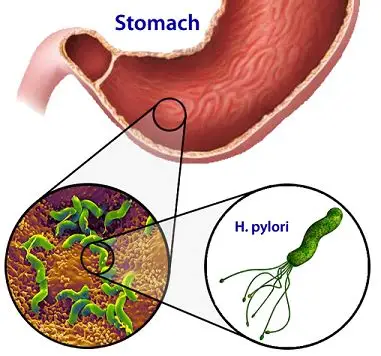
Helicobacter pylori (H. pylori) Infection is a bacterial infection that affects the stomach and can cause persistent inflammation of the stomach lining. It is one of the important causes of chronic gastritis and is strongly associated with peptic ulcer disease. Some people may have H. pylori infection without noticeable symptoms, while others may experience ongoing indigestion, upper abdominal discomfort, bloating, nausea, or recurrent stomach pain.
Timely diagnosis and appropriate eradication treatment are important to eliminate the infection, manage symptoms, promote healing of the stomach lining, and reduce the risk of complications.
1. Detailed Patient Assessment
The evaluation begins with a comprehensive assessment by a gastroenterologist. The doctor discusses the patient's symptoms, their duration and severity, previous stomach problems, history of ulcers, previous H. pylori treatment, current medications, allergies, and relevant medical history.
The doctor may ask about symptoms such as:
Upper abdominal pain or burning
Recurrent indigestion
Bloating and excessive gas
Nausea or occasional vomiting
Frequent burping
Feeling unusually full after eating
Reduced appetite
Recurrent stomach discomfort
Symptoms suggestive of peptic ulcer disease
A detailed assessment helps determine whether H. pylori testing is appropriate and whether additional investigations may be required.
2. Understanding H. pylori Infection
H. pylori is a bacterium that can colonize the stomach and persist for a long period if it is not successfully treated. The infection can cause inflammation of the stomach lining, known as gastritis.
In some patients, persistent infection can contribute to the development of peptic ulcers. H. pylori infection is also associated with an increased long-term risk of certain stomach complications, making appropriate diagnosis and eradication particularly important in patients for whom treatment is indicated.
Not every person with H. pylori experiences symptoms. Therefore, the absence of significant symptoms does not necessarily exclude infection.
3. Diagnostic Testing
After clinical assessment, the gastroenterologist may recommend an appropriate test to detect H. pylori.
Common diagnostic options include:
Urea Breath Test
The urea breath test is a non-invasive method used to detect active H. pylori infection. The patient takes a test substance containing urea, and the test analyzes the breath for changes produced when H. pylori breaks down the urea.
Stool Antigen Test
The stool antigen test detects evidence of active H. pylori infection in a stool sample. It can also be used after treatment to help confirm whether the infection has been successfully eradicated.
Endoscopy-Based Testing
In selected patients, an Upper GI Endoscopy may be recommended, particularly when there are concerning symptoms or another stomach condition needs to be investigated.
During endoscopy, the gastroenterologist can directly examine the esophagus, stomach, and duodenum and may obtain small tissue samples from the stomach for H. pylori testing and other laboratory evaluation.
The choice of test depends on the patient's symptoms, age, medical history, previous treatment, and clinical requirements.
4. Identifying Associated Stomach Conditions
When H. pylori infection is suspected or confirmed, the gastroenterologist may also evaluate whether it has contributed to another gastrointestinal condition.
These may include:
Chronic gastritis
Peptic ulcer disease
Duodenal ulcer
Gastric ulcer
Persistent dyspepsia
Recurrent upper abdominal discomfort
If there are warning symptoms or other clinical concerns, further investigations may be recommended to identify the underlying cause.
5. Personalized H. pylori Treatment
Once H. pylori infection is confirmed and treatment is indicated, the gastroenterologist selects an appropriate eradication regimen.
Treatment generally involves a combination of medicines, which may include:
Acid-suppressing medication
Appropriate antibiotics
In selected regimens, bismuth-containing medication
Other medicines according to the recommended treatment regimen
The exact combination and duration of treatment should be selected by the treating doctor. Previous antibiotic exposure, medication allergies, local antibiotic resistance patterns, previous unsuccessful H. pylori treatment, and other medical conditions may influence the choice of therapy.
6. Importance of Completing Treatment
Successful eradication requires patients to follow the prescribed treatment schedule carefully.
Patients should:
Take medicines at the recommended times.
Complete the full prescribed course.
Avoid stopping antibiotics early without medical advice.
Inform the doctor about medication allergies.
Inform the doctor if they have previously received H. pylori treatment.
Report significant side effects or difficulty tolerating the treatment.
Incomplete or inappropriate treatment can contribute to treatment failure and may make subsequent eradication more difficult.
7. Managing Symptoms During Treatment
Some patients may continue to experience stomach discomfort while receiving treatment. The gastroenterologist may provide additional guidance to help manage symptoms.
Patients may be advised to avoid foods or drinks that clearly worsen their symptoms and to follow the medication instructions carefully.
Dietary recommendations should be individualized because there is no single diet that is appropriate for every patient with H. pylori infection.
8. Assessment for Peptic Ulcer Disease
If a patient has symptoms or a history suggestive of an ulcer, the gastroenterologist may evaluate for peptic ulcer disease.
An ulcer can develop in the stomach or duodenum and may cause burning or aching upper abdominal pain. H. pylori is one of the major factors associated with peptic ulcer disease.
When an ulcer is identified, treatment may involve H. pylori eradication together with appropriate acid suppression and other management based on the patient's condition.
9. Follow-Up After Treatment
An important part of H. pylori management is confirming that the infection has actually been eradicated.
Improvement in symptoms alone does not always prove that the bacteria have been eliminated.
After an appropriate interval following treatment, the gastroenterologist may recommend a Urea Breath Test or Stool Antigen Test to confirm eradication.
The timing of follow-up testing is important because certain medications can interfere with test accuracy. The patient should follow the gastroenterologist's instructions regarding medication use before the confirmation test.
10. Management After a Positive Follow-Up Test
If H. pylori is still detected after treatment, the gastroenterologist reviews the previous treatment regimen and considers factors that may have contributed to treatment failure.
These may include:
Incomplete treatment
Antibiotic resistance
Previous antibiotic exposure
Medication intolerance
Incorrect medication use
Other clinical factors
A different eradication regimen may then be selected according to the patient's individual circumstances.
11. Warning Symptoms Requiring Medical Attention
Patients with persistent stomach symptoms should seek professional medical evaluation, particularly if they experience:
Vomiting blood
Black or tar-like stools
Persistent or severe abdominal pain
Unexplained weight loss
Persistent vomiting
Difficulty swallowing
Significant loss of appetite
Severe weakness or symptoms suggestive of anemia
Recurrent or unexplained ulcer symptoms
These symptoms may require prompt investigation rather than treatment based only on H. pylori symptoms.
12. Long-Term Gastrointestinal Care
H. pylori management is not limited to prescribing medication. Comprehensive care involves identifying the infection, assessing associated stomach conditions, selecting an appropriate eradication regimen, monitoring the patient's response, and confirming successful eradication when indicated.
Patients with persistent or recurrent symptoms may require additional evaluation to determine whether another gastrointestinal condition is contributing to their symptoms.
13. Individualized Gastroenterology Consultation
Every patient may have a different combination of symptoms, medical history, medication exposure, and risk factors. Therefore, H. pylori treatment should be individualized rather than based on self-medication or previously prescribed antibiotics.
A gastroenterologist can determine the appropriate diagnostic approach and develop a treatment and follow-up plan according to the patient's clinical condition.
Conclusion
H. pylori Infection is a treatable bacterial infection that can affect the stomach and may contribute to chronic gastritis and peptic ulcer disease. Accurate diagnosis, appropriate eradication therapy, adherence to treatment, and confirmation of successful eradication are important components of comprehensive management.
With proper evaluation and follow-up, patients can receive targeted treatment for H. pylori infection while also being assessed for associated stomach conditions and potential complications.
BEST GASTROENTEROLOGIST IN KARACHI
• Dr AK Lohana Clinic & Endoscopy Services
• Hilal Ahmer Hospital, Clifton
• The Best Doctor in Karachi – Gastroenterologist
• Online Consultation Available
• Book an Appointment
• Call / WhatsApp: 0334-3646307