Jaundice: Causes, Symptoms, Diagnosis, Treatment, and When to Seek Medical Care
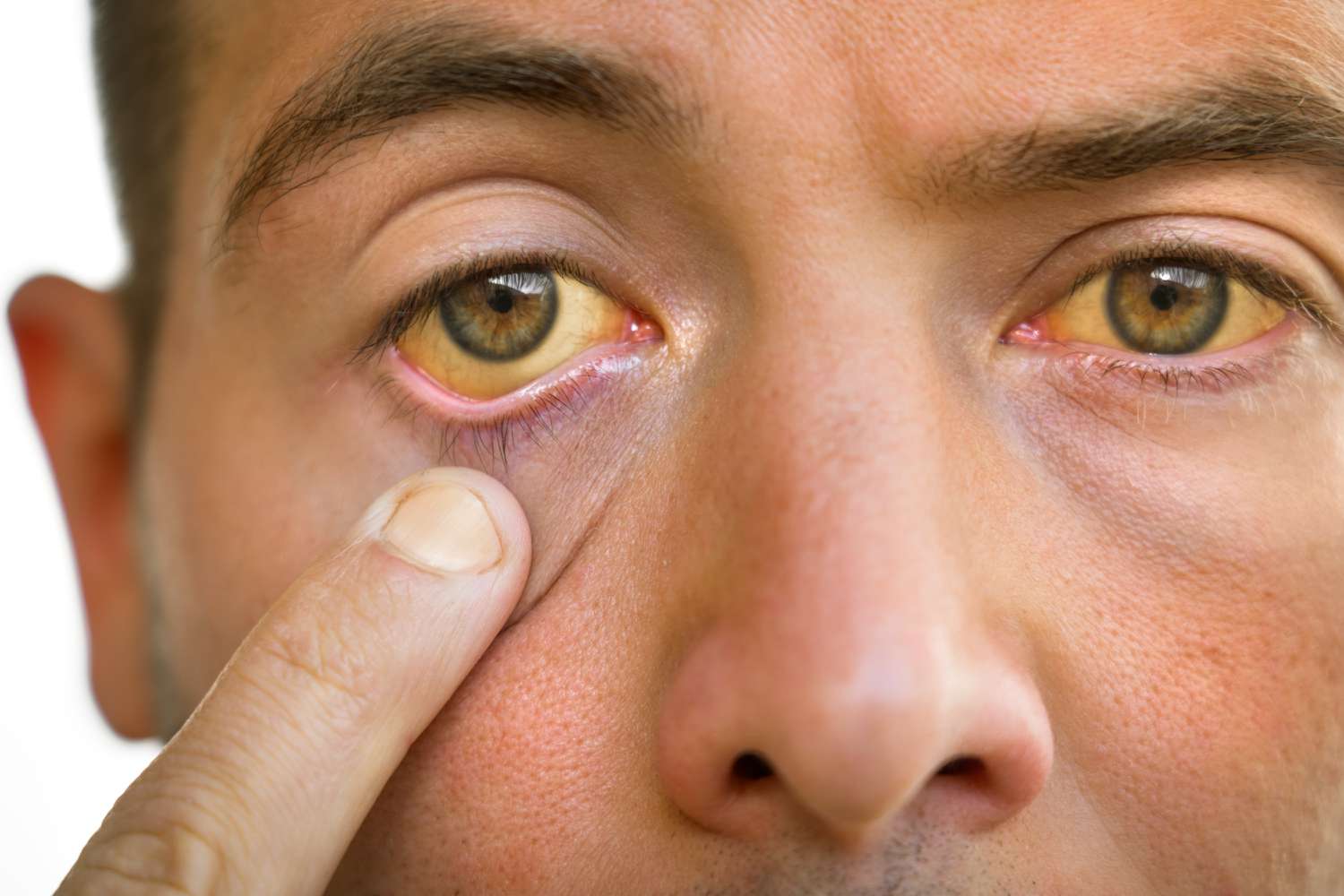
Jaundice, also known as icterus, is a condition in which the skin and the whites of the eyes become yellow due to an increased level of bilirubin in the blood. Bilirubin is a yellow pigment produced naturally when the body breaks down old red blood cells. Under normal circumstances, the liver processes bilirubin and helps remove it from the body through bile. When this process is disrupted, bilirubin can accumulate in the bloodstream and cause jaundice.
Jaundice is not a disease by itself. It is a clinical sign that may indicate an underlying problem involving the liver, gallbladder, bile ducts, pancreas, blood cells, or certain medications. Because the causes can range from relatively mild conditions to more serious diseases, persistent or new-onset jaundice should be medically evaluated.
Step 1: Understanding How Jaundice Develops
Bilirubin is formed when old red blood cells are broken down. The liver normally takes bilirubin from the bloodstream, processes it, and excretes it into bile. Bile then passes through the bile ducts and ultimately into the digestive tract.
Jaundice can develop when:
Too many red blood cells are being broken down.
The liver is unable to process bilirubin properly because of liver injury or disease.
Bilirubin cannot flow normally from the liver through the bile ducts.
A blockage prevents bile from reaching the intestine normally.
As bilirubin accumulates in the blood and tissues, the skin and especially the whites of the eyes may develop a yellow appearance.
Step 2: Recognizing the Common Symptoms of Jaundice
The most recognizable symptom is yellowing of the skin or the whites of the eyes. However, the exact symptoms can vary depending on the underlying cause.
Common symptoms may include:
Yellow discoloration of the eyes or skin
Dark or brown-colored urine
Pale, light-colored, or clay-colored stools
Itching of the skin
Abdominal discomfort or pain
Nausea or vomiting
Tiredness or weakness
Loss of appetite
Other symptoms related to an underlying liver, gallbladder, pancreatic, blood, or infectious condition
The appearance of jaundice can sometimes be easier to notice in the whites of the eyes than in the skin, particularly in people with darker skin tones.
Step 3: Understanding the Common Causes of Jaundice
Jaundice can have many different causes, and identifying the cause is an important part of treatment.
Liver-Related Causes
Liver diseases are an important cause of jaundice. These may include:
Viral hepatitis such as Hepatitis A, Hepatitis B, or Hepatitis C
Liver inflammation or injury
Liver cirrhosis
Metabolic liver disease and advanced fatty liver disease
Certain inherited conditions affecting bilirubin processing
Gallbladder and Bile Duct Causes
Jaundice may also occur when bile cannot flow normally because of an obstruction. Gallstones are one possible cause, particularly when a stone blocks a bile duct. Other diseases affecting the bile ducts or surrounding organs can also interfere with bile flow.
Blood-Related Causes
In some situations, jaundice develops because red blood cells are breaking down more rapidly than normal. This process can produce more bilirubin than the liver can effectively process. Certain types of hemolytic anemia and other blood disorders may contribute to this form of jaundice.
Medication-Related and Other Causes
Certain medicines, medication reactions, and toxic exposures may affect the liver or bilirubin metabolism and lead to jaundice. This is why patients should provide their doctor with a complete list of prescribed medicines, over-the-counter medications, supplements, and other substances they are taking.
Step 4: Medical Assessment and Clinical History
When a patient presents with jaundice, the doctor will usually begin with a detailed medical history and physical examination.
The doctor may ask about:
When the yellowing started
Whether it developed suddenly or gradually
Changes in urine or stool color
Abdominal pain or itching
Fever, nausea, vomiting, or fatigue
Previous liver disease or hepatitis
Alcohol and medication use
Recent illnesses or infections
Previous gallbladder or bile duct problems
Relevant family or medical history
A physical examination may help the doctor identify signs of liver disease, abdominal tenderness, liver enlargement, or other findings that can guide further investigation.
Step 5: Diagnostic Tests for Jaundice
The next step is to determine why the bilirubin level is elevated.
Bilirubin Blood Test
A bilirubin blood test measures the amount of bilirubin in the blood. Doctors may evaluate total bilirubin as well as direct and indirect bilirubin levels. These results can help determine which part of bilirubin metabolism may be affected.
Liver Function Tests
A liver panel or liver function testing may be used to evaluate liver injury and different aspects of liver function. These tests can provide important information, although abnormal liver tests alone do not always identify the exact cause of disease.
Additional Blood Tests
Depending on the clinical situation, doctors may request additional investigations such as:
Complete Blood Count (CBC)
Hepatitis testing
Blood clotting tests
Additional liver-related blood tests
Other investigations based on the patient's symptoms and medical history
Imaging Studies
Imaging may be recommended when the doctor needs to examine the liver, gallbladder, or bile ducts.
Possible investigations include:
Abdominal ultrasound
CT scan
Magnetic Resonance Cholangiopancreatography (MRCP)
In selected cases, Endoscopic Retrograde Cholangiopancreatography (ERCP) may be used to evaluate or treat certain bile duct problems. The appropriate investigation depends on the suspected cause.
Step 6: Identifying the Underlying Cause
One of the most important principles in managing jaundice is that treatment should be directed at the underlying cause, rather than simply treating the yellow discoloration.
For example, jaundice associated with hepatitis may require a different approach from jaundice caused by a blocked bile duct, gallstones, medication-related liver injury, or a blood disorder.
A thorough evaluation helps the doctor determine whether the problem is related to:
Increased bilirubin production → Liver processing problem → Bile flow obstruction → or another underlying condition.
This distinction is important for selecting the appropriate treatment and avoiding unnecessary medication.
Step 7: Treatment of Jaundice
There is no single treatment that is appropriate for every patient with jaundice. Treatment depends on the underlying diagnosis.
Depending on the cause, management may involve:
Treatment of viral or other infections when indicated
Specific management of liver disease
Treatment of hepatitis when appropriate
Management of gallstones or bile duct obstruction
Review and adjustment of medicines that may be contributing to liver injury
Treatment of associated blood disorders
Endoscopic or other procedures when obstruction or another structural problem requires intervention
The treatment plan should always be individualized according to the patient's symptoms, examination findings, laboratory results, imaging, and overall health.
Step 8: Diet and Lifestyle During Jaundice
Patients with jaundice should avoid self-prescribing medications or herbal remedies without medical advice, particularly because some substances can affect the liver.
A healthy, balanced diet and adequate fluid intake may be appropriate during recovery, depending on the underlying condition. However, diet alone cannot treat every cause of jaundice.
Patients with known liver disease should follow the dietary and lifestyle recommendations provided by their treating physician.
Step 9: When Should You Consult a Doctor?
New yellowing of the skin or whites of the eyes should not simply be ignored. Jaundice can sometimes be associated with liver disease, bile duct obstruction, hepatitis, or other conditions requiring timely evaluation.
Medical assessment is particularly important when jaundice is accompanied by significant abdominal symptoms, dark urine, pale stools, persistent vomiting, fever, marked weakness, or other concerning changes.
Early evaluation can help identify the cause and allow appropriate treatment to begin without unnecessary delay.
Step 10: Why Early Diagnosis Matters
The presence of jaundice does not automatically indicate severe liver disease. However, because there are many possible causes, identifying the underlying problem is essential.
Early assessment may help:
Detect liver disease at an earlier stage
Identify hepatitis or other infections
Recognize bile duct obstruction
Investigate gallbladder-related problems
Identify medication-related causes
Prevent avoidable complications
Establish an appropriate treatment and follow-up plan
Frequently Asked Questions About Jaundice
Is jaundice always caused by liver disease?
No. Liver disease is an important cause, but jaundice can also result from bile duct obstruction, gallbladder disease, increased breakdown of red blood cells, certain medicines, inherited conditions, and other medical problems.
What tests are commonly performed for jaundice?
Testing may include bilirubin levels, liver function tests, blood tests for hepatitis and other conditions, and imaging such as abdominal ultrasound. Additional investigations are selected according to the suspected cause.
Can jaundice be treated?
Yes, but treatment depends on the cause. The underlying condition must be identified before the most appropriate treatment can be selected.
Does jaundice always require hospitalization?
Not necessarily. The need for hospitalization depends on the underlying cause, severity, symptoms, test results, and overall condition of the patient. A doctor should assess new-onset jaundice to determine the appropriate level of care.
Professional Medical Evaluation for Jaundice
Jaundice can be an important warning sign that should never be evaluated based on appearance alone. A proper medical assessment, relevant blood investigations, and imaging when indicated can help identify the underlying cause and guide appropriate treatment.
Patients experiencing yellowing of the eyes or skin, dark urine, pale stools, persistent itching, abdominal discomfort, or other concerning symptoms should seek medical evaluation from a qualified physician.
Early diagnosis, appropriate investigation, and cause-specific treatment are key components of effective jaundice management.