
Nutrition in Gastrointestinal Disorders
Nutrition plays an important role in the prevention, management, and recovery of many gastrointestinal disorders. The digestive system is responsible for breaking down food, absorbing nutrients, maintaining bowel function, and supporting overall metabolic health. When the stomach, small intestine, large intestine, or other parts of the gastrointestinal tract are affected by disease, patients may experience changes in appetite, digestion, bowel habits, nutrient absorption, and nutritional status.
Gastrointestinal conditions such as gastritis, gastroesophageal reflux disease, peptic ulcer disease, irritable bowel syndrome, inflammatory bowel disease, celiac disease, chronic diarrhea, constipation, and malabsorption disorders may require specific dietary considerations. Nutritional management is therefore individualized according to the patient's diagnosis, symptoms, nutritional requirements, lifestyle, and overall medical condition.
Step 1: Comprehensive Medical & Nutritional Assessment
Nutritional care begins with a detailed assessment of the patient's gastrointestinal condition and overall nutritional status. The doctor reviews the patient's medical history, current diagnosis, medications, symptoms, dietary habits, appetite, weight history, and previous treatment.
Symptoms such as abdominal pain, bloating, heartburn, nausea, vomiting, diarrhea, constipation, difficulty swallowing, or changes in appetite are carefully considered because they may affect food intake and nutritional health.
Step 2: Detailed Dietary Assessment
The patient's usual eating pattern is evaluated, including meal frequency, portion sizes, food choices, snacks, beverages, cooking methods, and eating habits.
The assessment may also consider food allergies, intolerances, cultural dietary patterns, food preferences, and foods that appear to worsen symptoms. This helps identify practical dietary changes without unnecessarily restricting important foods.
Step 3: Assessment of Weight & Nutritional Status
Gastrointestinal disorders can contribute to both unintentional weight loss and excessive weight gain. The doctor may assess body weight, BMI, recent weight changes, appetite, and overall dietary intake.
Unintentional weight loss, reduced food intake, muscle loss, or signs of nutritional deficiency may require further evaluation, particularly in patients with chronic gastrointestinal disease.
Step 4: Identifying the Underlying Gastrointestinal Disorder
Different gastrointestinal conditions require different nutritional approaches. A diet suitable for a patient with constipation may not be appropriate for someone with active inflammatory bowel disease or severe diarrhea.
The nutritional plan is therefore based on the underlying diagnosis, severity of symptoms, nutritional status, and individual tolerance.
Step 5: Nutrition in Acid Reflux & GERD
Patients with Gastroesophageal Reflux Disease may experience heartburn, regurgitation, chest discomfort, or indigestion. Dietary and lifestyle counseling may form part of overall GERD management.
Depending on the individual's symptoms, recommendations may include appropriate meal portions, meal timing, identification of personal trigger foods, and avoidance of eating habits that worsen reflux symptoms.
Step 6: Nutrition in Gastritis & Peptic Ulcer Disease
Patients with gastritis or peptic ulcer disease may experience abdominal discomfort, nausea, early fullness, or other digestive symptoms.
Nutritional counseling focuses on maintaining adequate nutrition while identifying foods and eating patterns that may aggravate symptoms. Dietary recommendations are individualized and provided alongside appropriate medical treatment.
Step 7: Nutrition in Irritable Bowel Syndrome (IBS)
IBS can cause abdominal pain, bloating, constipation, diarrhea, or changes in bowel habits. Dietary management may help some patients identify and reduce foods that trigger their symptoms.
Depending on the patient's symptoms, a structured dietary approach may be considered, including individualized fiber management and, where clinically appropriate, a supervised elimination and reintroduction strategy such as a low-FODMAP approach.
The goal is to control symptoms while maintaining a nutritionally balanced diet and avoiding unnecessary long-term food restrictions.
Step 8: Nutrition in Chronic Diarrhea
Chronic diarrhea can lead to fluid loss, electrolyte disturbances, weight loss, and nutritional deficiencies. Nutritional assessment helps identify whether the patient is receiving adequate calories, protein, fluids, vitamins, and minerals.
Dietary recommendations are tailored according to the underlying cause of diarrhea, symptom severity, hydration status, and nutritional requirements.
Step 9: Nutrition in Constipation
Dietary management can be an important component of constipation care. Depending on the cause and individual tolerance, recommendations may include appropriate fiber intake, adequate fluid intake, regular meals, and healthy lifestyle habits.
Fiber is increased or adjusted according to the patient's symptoms and clinical condition rather than being automatically increased in every case.
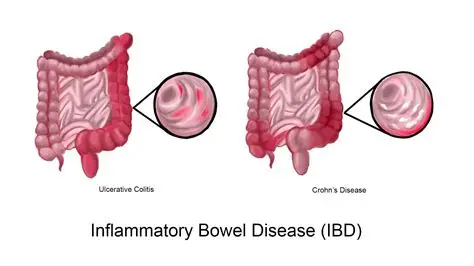
Step 10: Nutrition in Inflammatory Bowel Disease
Patients with Crohn's Disease and Ulcerative Colitis may have increased nutritional needs, reduced appetite, diarrhea, weight loss, or nutrient deficiencies, particularly during active disease.
Nutritional management may focus on maintaining adequate calories and protein, identifying nutritional deficiencies, supporting hydration, and adapting food choices according to symptoms and disease activity.
Dietary recommendations are individualized and work alongside medical treatment rather than replacing disease-specific therapy.
Step 11: Nutrition in Celiac Disease & Malabsorption
Celiac disease and other malabsorption disorders can interfere with the absorption of essential nutrients. Patients may develop deficiencies involving iron, vitamin B12, folate, vitamin D, calcium, and other nutrients.
Nutritional management focuses on the appropriate dietary approach for the underlying condition, correcting identified deficiencies, and maintaining adequate nutritional intake.
Step 12: Managing Food Intolerances & Sensitivities
Some patients experience gastrointestinal symptoms after consuming particular foods. Nutritional counseling can help distinguish suspected food intolerance from other gastrointestinal conditions and identify appropriate dietary modifications.
Where elimination diets are considered, they should be structured carefully to prevent unnecessary nutritional restrictions and should ideally include appropriate reintroduction and nutritional monitoring.
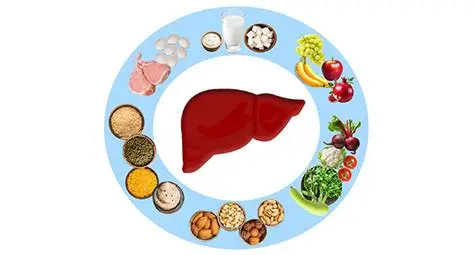
Step 13: Protein, Fiber & Micronutrient Management
Adequate protein, fiber, vitamins, and minerals are important for maintaining overall nutritional health. However, the appropriate amount varies according to the patient's condition.
For example, fiber recommendations may differ between constipation, diarrhea, IBS, and active inflammatory bowel disease. Similarly, protein and micronutrient requirements may need to be adjusted in patients with chronic disease, malabsorption, or significant weight loss.
Step 14: Hydration & Electrolyte Balance
Adequate hydration is particularly important for patients experiencing diarrhea, vomiting, or other conditions associated with fluid loss.
The appropriate fluid and electrolyte strategy depends on the patient's symptoms, underlying condition, age, medical history, and overall clinical status. Patients with persistent or severe fluid loss may require medical assessment and additional treatment.
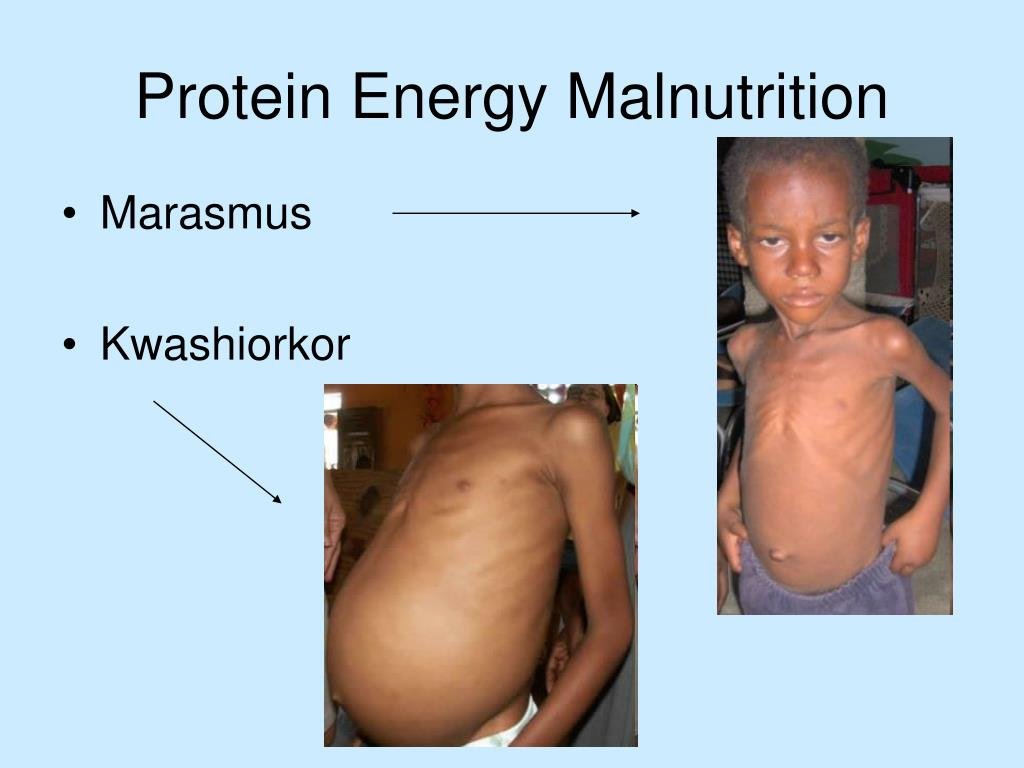
Step 15: Nutrition in Unintentional Weight Loss & Malnutrition
Chronic gastrointestinal disorders can sometimes cause reduced appetite, difficulty eating, malabsorption, or increased nutritional requirements, leading to unintended weight loss and malnutrition.
Nutritional management focuses on identifying the underlying cause, improving dietary intake, maintaining adequate protein and calories, addressing deficiencies, and monitoring weight and nutritional status.
Step 16: Nutrition Before & After Gastrointestinal Procedures
Certain patients undergoing gastrointestinal procedures may require specific dietary instructions before or after the procedure. These recommendations depend on the type of procedure, the patient's medical condition, and the doctor's instructions.
Appropriate nutritional guidance can help patients prepare safely for procedures and support recovery when dietary modification is clinically required.
Step 17: Lifestyle & Healthy Eating Habits
Nutritional care also includes practical lifestyle guidance. Patients may receive advice regarding meal timing, portion control, hydration, physical activity, sleep, and sustainable eating habits.
The objective is to develop realistic changes that can be incorporated into everyday life rather than relying on restrictive or short-term diets.
Step 18: Monitoring & Follow-Up
Nutritional management is an ongoing process. During follow-up, the doctor may review gastrointestinal symptoms, body weight, dietary intake, nutritional deficiencies, treatment response, and overall health.
The nutrition plan can be adjusted as symptoms improve, the underlying condition changes, or the patient's nutritional requirements evolve.
Gastrointestinal Conditions That May Require Nutritional Management
Nutritional care may be incorporated into the management of:
Gastroesophageal Reflux Disease (GERD)
Gastritis
Peptic Ulcer Disease
Irritable Bowel Syndrome (IBS)
Chronic Diarrhea
Chronic Constipation
Inflammatory Bowel Disease (IBD)
Crohn's Disease
Ulcerative Colitis
Celiac Disease
Malabsorption Disorders
Food Intolerances
Gastrointestinal-Related Nutritional Deficiencies
Unintentional Weight Loss and Malnutrition
Our Approach to Gastrointestinal Nutrition
Our approach combines medical evaluation, individualized nutritional counseling, symptom management, and ongoing monitoring. Each nutrition plan is designed according to the patient's gastrointestinal diagnosis, symptoms, nutritional status, lifestyle, and medical requirements.
The goal is to support healthy digestion, maintain adequate nutrition, identify and manage nutritional deficiencies, improve gastrointestinal symptoms where appropriate, and promote long-term digestive and overall health.
Nutritional management is provided as part of comprehensive gastroenterology care and is coordinated with appropriate medical treatment. The emphasis is on balanced, practical, and sustainable dietary changes rather than unnecessary or overly restrictive diets.