Nutrition in Liver Diseases
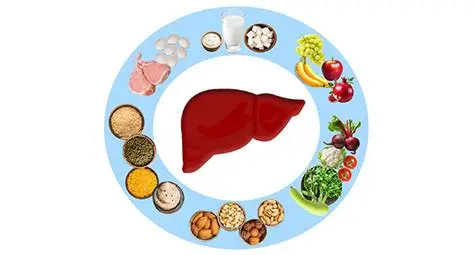
Nutrition is an essential component of comprehensive liver disease management. The liver plays a central role in metabolism, digestion, nutrient processing, energy storage, and the regulation of many important body functions. When the liver is affected by conditions such as fatty liver disease, hepatitis, cirrhosis, or other chronic liver disorders, changes in appetite, metabolism, digestion, and nutritional status may occur.
Appropriate nutritional management helps support overall health, maintain adequate energy and protein intake, address nutritional deficiencies, manage body weight, and reduce the impact of certain liver-related complications. Nutritional recommendations are individualized according to the patient's liver condition, disease severity, nutritional status, lifestyle, medications, and associated medical conditions.
Step 1: Comprehensive Liver & Nutritional Assessment
Nutritional care begins with a detailed assessment of the patient's medical and dietary history. The doctor reviews the type of liver disease, duration of the condition, current symptoms, medications, previous treatment, appetite, dietary habits, weight history, and lifestyle.
The assessment may also consider associated conditions such as diabetes, obesity, high cholesterol, hypertension, or metabolic syndrome, as these can influence both liver health and nutritional requirements.
Step 2: Assessment of Weight & Nutritional Status
Changes in body weight can provide important information about nutritional health. The doctor may assess current weight, BMI, recent weight changes, dietary intake, and, when clinically appropriate, muscle mass and signs of nutritional depletion.
Both excessive weight and inadequate nutrition may require attention. For example, patients with fatty liver disease may benefit from appropriate weight management, while patients with advanced liver disease may be at risk of inadequate nutritional intake and muscle loss.
Step 3: Identifying the Specific Liver Condition
Nutritional requirements vary depending on the underlying liver disease. A patient with fatty liver disease may require a structured approach to weight and metabolic management, while a patient with chronic hepatitis or cirrhosis may have different nutritional considerations.
Therefore, dietary recommendations are developed according to the patient's diagnosis and clinical condition rather than using a single diet plan for all liver diseases.
Step 4: Nutrition in Fatty Liver Disease
Nutrition and healthy weight management are important components of fatty liver disease care. For patients who are overweight or obese, gradual and sustainable weight reduction may help improve metabolic health and reduce liver fat.
Dietary counseling may focus on appropriate portion sizes, overall calorie intake, healthier sources of fat, adequate protein, increased intake of nutrient-dense foods, and limiting excessive added sugars and highly processed foods.
The objective is to encourage sustainable dietary habits rather than extreme or short-term restrictive diets.
Step 5: Nutrition in Hepatitis
Patients with hepatitis may experience symptoms such as reduced appetite, nausea, fatigue, or changes in normal eating patterns. Maintaining adequate nutrition and hydration can be important during treatment and recovery.
Nutritional counseling focuses on maintaining a balanced intake of protein, carbohydrates, healthy fats, vitamins, and minerals according to the patient's individual requirements. Dietary recommendations may be adjusted according to liver function, symptoms, nutritional status, and other medical conditions.
Step 6: Nutrition in Liver Cirrhosis
Cirrhosis can significantly affect nutritional status, particularly in patients with advanced disease. Some patients may experience poor appetite, early fullness, muscle loss, inadequate food intake, or altered metabolism.
Nutritional management may focus on maintaining adequate energy and protein intake, appropriate meal patterns, and management of specific complications. The nutritional plan is individualized and coordinated with the patient's overall medical treatment.
Step 7: Protein & Muscle Preservation
Maintaining adequate protein and muscle mass is an important part of nutritional care in chronic liver disease. Inadequate protein and calorie intake can contribute to loss of muscle mass and nutritional deterioration.
The doctor may provide guidance regarding appropriate protein sources and meal distribution throughout the day. Protein requirements are individualized according to the patient's clinical condition and overall nutritional needs.
Step 8: Healthy Fats & Carbohydrate Management
The quality and quantity of dietary fats and carbohydrates can be relevant to patients with metabolic liver conditions. Nutritional counseling may emphasize healthier sources of dietary fat and appropriate carbohydrate choices.
Patients may be advised to reduce excessive consumption of highly processed foods, sugary beverages, refined carbohydrates, and foods high in unhealthy fats when appropriate to their condition.
Step 9: Fiber & Digestive Health
Adequate dietary fiber can support healthy bowel function and may contribute to overall metabolic health. Suitable sources may include vegetables, fruits, whole grains, legumes, and other fiber-rich foods.
However, fiber intake may need to be adjusted in certain gastrointestinal conditions or according to individual tolerance. Dietary recommendations are therefore personalized rather than applied universally.
Step 10: Vitamins & Mineral Assessment
Certain patients with chronic liver disease may be at risk of nutritional deficiencies. Depending on symptoms, medical history, dietary intake, and clinical findings, the doctor may evaluate nutrients such as iron, vitamin B12, folate, vitamin D, calcium, and other vitamins or minerals.
If a clinically significant deficiency is identified, appropriate supplementation may be recommended under medical supervision. Patients are advised not to take high-dose vitamins, herbal products, or supplements without professional guidance, as some products may be inappropriate for people with liver disease.
Step 11: Hydration & Fluid Management
Adequate hydration is generally an important part of maintaining overall health. However, patients with advanced liver disease and complications such as fluid retention or ascites may require individualized fluid and dietary recommendations.
In such cases, nutritional management is coordinated with the patient's medical treatment and clinical monitoring rather than following general hydration advice.
Step 12: Sodium & Fluid Retention Management
Some patients with advanced liver disease may develop fluid retention, swelling, or ascites. In these situations, dietary sodium management may form part of the overall treatment plan.
The appropriate approach depends on the patient's clinical condition, medications, fluid status, and other medical factors. Dietary recommendations are therefore provided on an individual basis.
Step 13: Managing Reduced Appetite & Early Fullness
Patients with chronic liver disease may sometimes experience reduced appetite or feel full after eating small amounts. This can make it difficult to consume adequate nutrition.
Nutritional counseling may involve practical strategies such as appropriate meal frequency, nutrient-dense food choices, and suitable portion sizes to help maintain adequate nutritional intake without causing excessive discomfort.
Step 14: Nutrition in Obesity-Associated Liver Disease
Obesity and metabolic disorders are closely associated with fatty liver disease. Patients with excess weight may benefit from a structured approach that combines nutritional management, physical activity, behavioral changes, and medically appropriate weight-management strategies.
The aim is to achieve sustainable improvements in body weight and metabolic health while ensuring that nutritional requirements are maintained.
Step 15: Nutrition & Diabetes in Liver Disease
Diabetes and liver disease can frequently coexist. In such patients, nutritional planning may need to consider blood glucose management alongside liver health.
The dietary approach may focus on balanced meals, appropriate carbohydrate portions, adequate protein, healthier fat choices, and overall calorie management according to the patient's individual medical requirements.
Step 16: Avoiding Unnecessary Dietary Restrictions
A liver-friendly diet does not necessarily mean eliminating large numbers of foods. Excessive dietary restrictions can sometimes result in inadequate calorie, protein, vitamin, or mineral intake.
The goal is to identify the foods and dietary patterns that are appropriate for the patient's condition while maintaining a balanced and nutritionally adequate diet.
Step 17: Lifestyle & Physical Activity
Nutrition is most effective when combined with appropriate lifestyle measures. Depending on the patient's health and physical capacity, regular physical activity may support healthy weight management, metabolic health, and preservation of muscle mass.
Lifestyle recommendations are individualized, particularly for patients with advanced liver disease or other medical limitations.
Step 18: Monitoring Treatment & Nutritional Progress
Nutritional management requires ongoing monitoring. During follow-up visits, the doctor may review changes in body weight, appetite, dietary intake, symptoms, nutritional deficiencies, metabolic parameters, and relevant liver-related investigations.
The nutritional plan can be adjusted according to the patient's response, disease progression, treatment changes, and evolving nutritional requirements.
Conditions That May Benefit from Nutritional Management
Nutrition-focused liver care may be incorporated into the management of:
Fatty Liver Disease
Metabolic Liver Disease
Hepatitis A, B, and C
Chronic Liver Disease
Liver Cirrhosis
Alcohol-Related Liver Disease
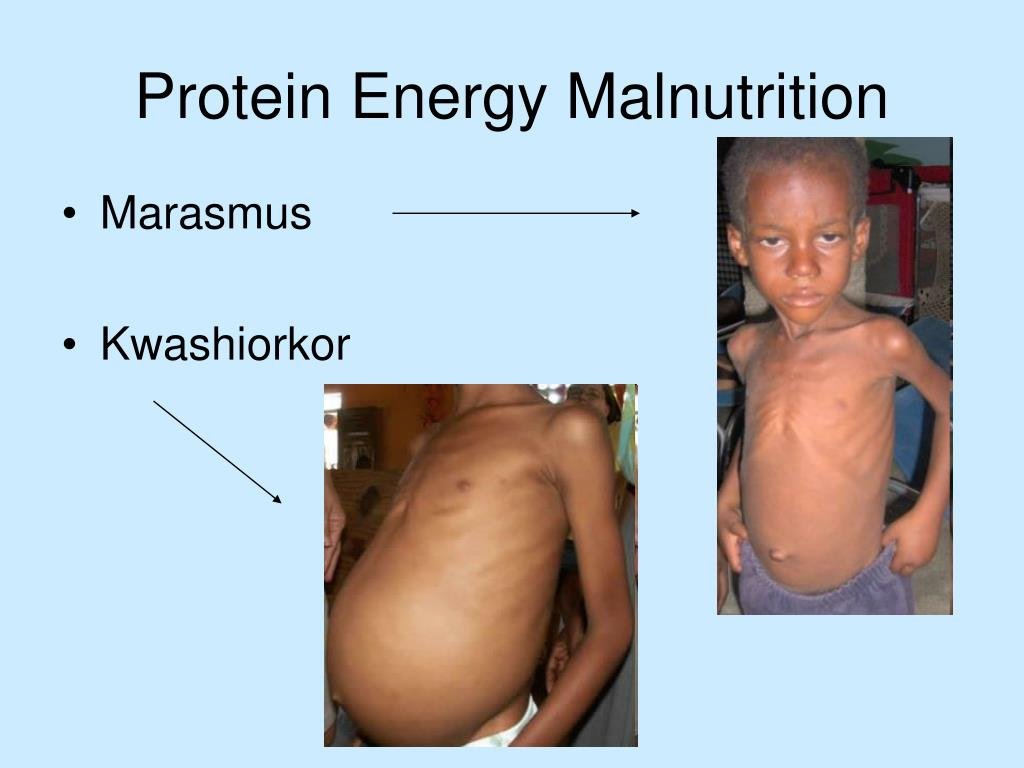
Liver-Related Malnutrition
Nutritional Deficiencies Associated with Liver Disease
Obesity-Associated Liver Conditions
Diabetes Associated with Liver Disease
Our Approach to Nutrition in Liver Diseases
Our approach combines medical evaluation, individualized nutritional counseling, lifestyle guidance, and ongoing monitoring. Each nutritional plan is designed according to the patient's liver condition, nutritional status, symptoms, lifestyle, and associated health conditions.
The primary goal is to maintain adequate nutrition, support healthy weight management, preserve muscle and nutritional status, address identified deficiencies, and support the overall management of liver disease.
Nutrition is considered an important part of comprehensive hepatology and gastroenterology care, working alongside appropriate medical treatment and regular clinical follow-up to support long-term liver and overall health.