Polycystic Ovary Syndrome (PCOS): Symptoms, Causes, Diagnosis and Treatment
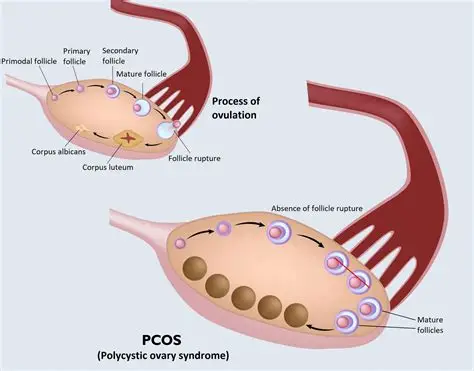
Polycystic Ovary Syndrome (PCOS) is a common hormonal condition that affects women of reproductive age. It may cause irregular periods, hormonal imbalances, acne, excessive facial hair, and difficulty getting pregnant. Early diagnosis and proper management can help improve symptoms and long-term health.
1. Symptoms of PCOS
Irregular or missed menstrual periods
Acne and oily skin
Excessive facial or body hair
Weight gain or difficulty losing weight
Hair thinning or hair loss
Difficulty conceiving
2. Causes and Risk Factors
PCOS is associated with hormonal imbalances, insulin resistance, and genetic factors. The exact cause is not fully understood.
3. Diagnosis of PCOS
A gynecologist may assess menstrual history, symptoms, physical signs, blood hormone levels, and ultrasound findings when appropriate.
4. Treatment and Management
Treatment depends on the patient's symptoms and reproductive goals. It may include lifestyle changes, a balanced diet, regular exercise, and prescribed medications to manage menstrual irregularities, acne, or other symptoms.
5. When to Consult a Gynecologist
Women experiencing irregular periods, persistent acne, excessive hair growth, or difficulty getting pregnant should consult a qualified gynecologist for proper evaluation and personalized care.
Conclusion
PCOS can be managed with timely diagnosis, appropriate treatment, and regular follow-up. Early care helps manage symptoms and reduce the risk of long-term complications, including type 2 diabetes and other metabolic problems.