Endoscopic Intragastric Balloon Placement
Endoscopic Intragastric Balloon Placement is a minimally invasive, non-surgical weight-management procedure in which a specially designed balloon is placed inside the stomach to occupy part of the available gastric space. The balloon is intended to promote earlier fullness and help patients reduce food intake as part of a structured weight-management program that includes appropriate nutrition, physical activity, and medical follow-up.
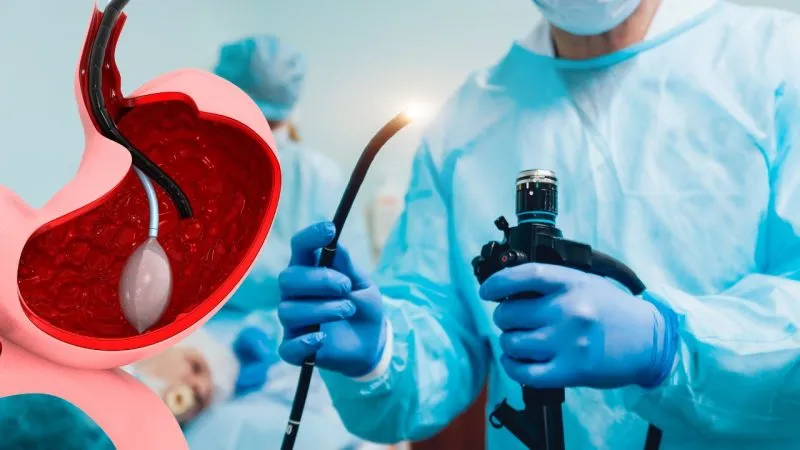
Unlike traditional bariatric surgery, endoscopic intragastric balloon placement does not require an external incision. In commonly used endoscopic systems, the balloon is introduced through the mouth using an endoscope and positioned inside the stomach under direct visualization. Depending on the device, the balloon may be filled with sterile liquid or gas, and device-specific indications and instructions can differ.
Step 1: Understanding the Intragastric Balloon
An intragastric balloon is a temporary medical device designed to occupy space inside the stomach.
By partially filling the stomach, it may help some patients feel full sooner and support portion control. The balloon is not intended to replace healthy eating or lifestyle modification; rather, it is used as part of a comprehensive weight-management strategy.
The treatment approach can generally be understood as:
Balloon placement → Reduced available gastric space → Earlier sense of fullness → Improved portion control → Structured lifestyle and weight-management program
The exact mechanism and expected weight-loss response vary between patients and balloon systems.
Step 2: Assessing Whether the Procedure Is Appropriate
Before placement, the gastroenterologist or qualified bariatric endoscopy team evaluates whether the patient is an appropriate candidate.
The assessment may include:
Current weight and Body Mass Index (BMI)
Previous attempts at weight loss
Medical history
Existing obesity-related conditions
Previous gastrointestinal or bariatric procedures
Current medications
History of stomach or esophageal disease
Previous abdominal surgery
Pregnancy status when relevant
Ability to participate in dietary and lifestyle follow-up
Eligibility is device-specific and should be determined according to the particular balloon system, its approved labeling, and the patient's individual medical circumstances.
Step 3: Comprehensive Medical Evaluation
A detailed evaluation is important before proceeding.
The doctor may review conditions that could affect the safety or effectiveness of balloon treatment, including:
Significant gastrointestinal disease
Active gastric or esophageal problems
Previous ulcers
Significant hiatal hernia
Bleeding disorders
Certain previous gastrointestinal surgeries
Medicines that may affect gastrointestinal safety
Other conditions that may influence the procedure or recovery
An appropriate pre-procedure evaluation helps identify patients who may require an alternative weight-management strategy. Johns Hopkins notes that endoscopic examination may be used before placement to look for findings such as a significant hiatal hernia or stomach ulcer that could make balloon placement unsuitable.
Step 4: Pre-Procedure Consultation and Planning
During the consultation, the doctor explains:
How the balloon works
Expected treatment goals
The type of balloon being considered
How the procedure is performed
Expected dietary changes
Potential side effects
Possible complications
Follow-up requirements
Balloon removal requirements when applicable
Informed consent should include discussion of the procedure's risks, benefits, alternatives, and device-specific considerations.
Step 5: Preparing for the Procedure
Proper preparation helps improve safety and visualization.
The patient may be instructed to:
Follow a prescribed diet before the procedure
Transition to clear liquids when advised
Remain fasting for the required period
Follow medication instructions carefully
Inform the doctor about all prescription and over-the-counter medicines
Report allergies or previous reactions to sedation or anesthesia
Follow all instructions provided by the endoscopy team
Some centers may recommend a clear-liquid diet for a period before the procedure and fasting overnight, but the exact preparation should follow the balloon manufacturer's instructions and the treating team's protocol.
Step 6: Sedation and Clinical Monitoring
Endoscopic balloon placement is performed with appropriate sedation or anesthesia so that the patient remains comfortable during the procedure.
The medical team may monitor:
Blood pressure
Heart rate
Oxygen saturation
Breathing
Overall clinical condition
The level of sedation depends on the procedure, patient factors, and the clinical setting.
Step 7: Initial Upper GI Endoscopic Examination
Before placing the balloon, the gastroenterologist typically examines the upper gastrointestinal tract using an endoscope.
The examination may include:
Esophagus → Stomach → Duodenum
The purpose is to assess the anatomy and look for abnormalities that may affect whether balloon placement is appropriate.
The doctor may specifically evaluate for conditions such as significant inflammation, ulcers, anatomical abnormalities, or other findings that could increase procedural risk.
Step 8: Introducing the Deflated Balloon
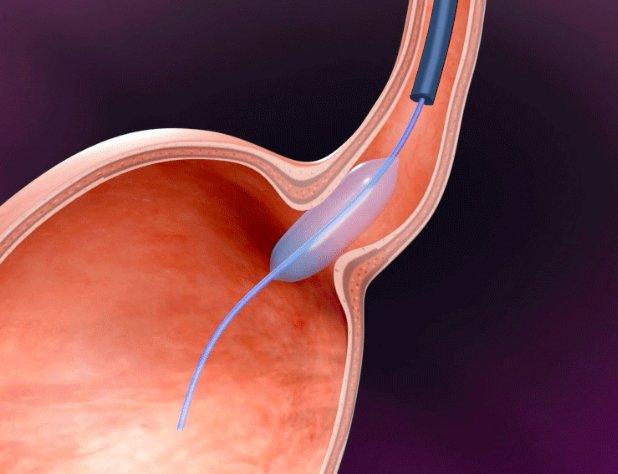
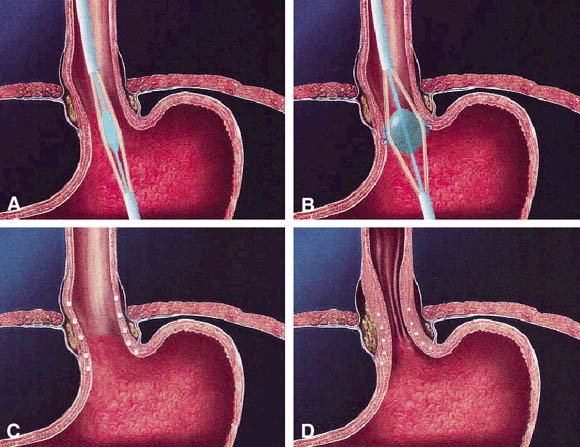
Once the upper gastrointestinal examination is satisfactory, the deflated balloon system is guided through the mouth and esophagus into the stomach.
For commonly used endoscopic systems, the balloon is attached to a catheter that allows the physician to position and fill the device under appropriate visualization.
The gastroenterologist carefully confirms that the balloon is positioned appropriately within the stomach before inflation.
Step 9: Positioning the Balloon in the Stomach
Accurate placement is essential.
The doctor positions the deflated balloon in the stomach and confirms that it is appropriately located before filling.
Proper placement helps ensure that the balloon remains within the intended gastric space and functions as designed.
The exact positioning technique depends on the device being used.
Step 10: Filling the Balloon
Once the balloon is correctly positioned, it is filled according to the manufacturer's specifications.
Different balloon systems use different filling methods. Some commonly used systems are filled with sterile saline solution, while other systems may use gas.
The physician carefully controls the filling process according to the specific device instructions.
The sequence can be summarized as:
Positioning → Controlled filling → Confirmation of adequate placement → Removal of the delivery catheter
Step 11: Confirming Proper Placement
After the balloon has been filled, the gastroenterologist reassesses its position.
The doctor confirms that:
The balloon is appropriately located
It is occupying the intended portion of the stomach
There is no immediate concerning finding
The device is functioning as intended
The delivery system can be safely withdrawn
The balloon should remain inside the stomach without obstructing the normal passage of food through the digestive tract.
Step 12: Completing the Endoscopic Procedure
After satisfactory placement has been confirmed, the catheter and other delivery components are removed.
The endoscope may be used to perform a final visual assessment before the procedure is completed.
Because the procedure is performed through the mouth, there is generally no external surgical incision associated with endoscopic balloon placement.
Step 13: How the Balloon Supports Weight Management
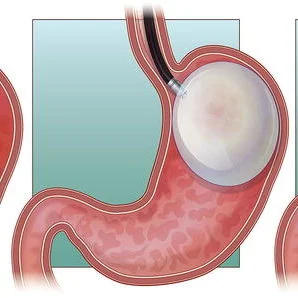
The balloon occupies part of the stomach and may contribute to earlier fullness and reduced food intake.
The objective is to help patients:
Reduce portion sizes
Develop healthier eating habits
Improve awareness of fullness
Support calorie reduction
Participate more effectively in a structured weight-management program
The balloon should be considered a tool within a broader weight-management plan, rather than a stand-alone solution. ASGE describes endoscopic bariatric therapies as part of comprehensive obesity treatment and emphasizes appropriate patient selection, physician expertise, and knowledge of benefits and risks.
Step 14: Nutrition and Lifestyle Program
The most effective approach to intragastric balloon therapy includes structured lifestyle support.
Patients may receive guidance regarding:
Meal portions
Meal frequency
Nutritional balance
Protein and nutrient intake
Hydration
Physical activity
Behavioral changes
Long-term weight maintenance
Continued participation in nutrition and exercise programs is an important component of balloon therapy.
Step 15: Early Recovery After Placement
Following the procedure, patients are observed while recovering from sedation.
During the initial period, some patients may experience:
Nausea
Abdominal discomfort
Cramping
Vomiting
Bloating
Early fullness
These symptoms can occur as the stomach adjusts to the presence of the balloon. The healthcare team may provide medicines and supportive care to help manage symptoms during the early recovery period.
Step 16: Dietary Progression After Balloon Placement
Diet is generally advanced gradually after balloon placement.
Depending on the balloon system and the treating team's protocol, patients may initially progress through stages such as:
Clear liquids → Full liquids → Soft foods → Gradual return to an appropriate solid-food diet
The exact timing varies according to the device, patient tolerance, and clinical instructions.
Patients should follow the individualized dietary plan provided by the medical and nutrition team.
Step 17: Ongoing Medical Follow-Up
Intragastric balloon therapy requires follow-up rather than placement alone.
During follow-up visits, the healthcare team may monitor:
Weight changes
Nutritional intake
Hydration
Gastrointestinal symptoms
Tolerance of the balloon
Physical activity
Medication requirements
Progress toward weight-management goals
Regular follow-up also allows the medical team to identify adverse events or problems requiring further evaluation.
Step 18: Understanding the Temporary Nature of the Balloon
Many intragastric balloon systems are designed for temporary use, and the duration varies by device.
For example, some commonly used systems are intended to remain in place for approximately six months, while other systems have different approved residence times. The current FDA-approved Allurion Gastric Balloon System has an average observed residence time of about 15.3 weeks, illustrating why balloon duration should always be described according to the specific device rather than using one universal timeline.
The treating doctor should explain the expected duration and whether planned endoscopic removal is required.
Step 19: Balloon Removal When Required
For balloon systems that require endoscopic removal, removal is performed according to the manufacturer's instructions and clinical protocol.
The physician uses endoscopic equipment to access the balloon, deflate it appropriately, and remove it safely through the upper gastrointestinal tract.
The exact removal process and timing depend on the specific balloon system.
Patients should never assume that all intragastric balloons are removed in the same way or after the same period.
Step 20: Potential Benefits
Potential benefits of endoscopic intragastric balloon therapy may include:
A minimally invasive alternative to bariatric surgery
No external surgical incision
Temporary treatment
Support for portion control
Earlier feeling of fullness
Assistance with structured weight reduction
An opportunity to establish healthier eating and lifestyle habits
However, outcomes vary between individuals, and sustained weight management depends substantially on long-term lifestyle and medical support.
Step 21: Possible Risks and Side Effects
Although intragastric balloon placement is minimally invasive, it is not risk-free.
Common or expected symptoms can include:
Nausea
Vomiting
Abdominal discomfort
Abdominal cramps
Bloating
Reflux or indigestion
Rare but potentially serious complications have also been reported. The FDA has issued safety communications concerning liquid-filled intragastric balloons, including reports of balloon overinflation and acute pancreatitis requiring premature device removal in some patients.
Other potential complications depend on the specific device and may include:
Balloon deflation
Balloon migration
Gastric or esophageal injury
Gastrointestinal bleeding
Ulceration
Pancreatitis
Dehydration resulting from persistent vomiting
Need for early device removal
Patients should receive device-specific counseling about these risks before treatment.
Step 22: Warning Signs Requiring Medical Assessment
Patients should contact their healthcare team promptly if they develop concerning symptoms such as:
Persistent or severe abdominal pain
Repeated or uncontrollable vomiting
Inability to maintain adequate fluid intake
Severe weakness or dizziness
Significant gastrointestinal bleeding
Fever
Severe chest pain
Difficulty breathing
Sudden worsening of symptoms
Urgent medical evaluation may be required when severe or unexpected symptoms occur.
Step 23: Who May Be Considered for Intragastric Balloon Therapy?
Intragastric balloon therapy may be considered for selected adults with obesity who require additional support for weight management and meet the criteria for the specific balloon system.
The decision depends on:
BMI → Medical history → Previous weight-loss attempts → Gastrointestinal health → Device-specific eligibility → Ability to participate in lifestyle treatment → Overall treatment goals
Eligibility should always be assessed by a qualified physician using the current approved indication for the device being offered.
Step 24: Who May Not Be an Appropriate Candidate?
Not every patient with obesity is suitable for an intragastric balloon.
The procedure may be inappropriate in certain patients with significant gastrointestinal disease, specific anatomical abnormalities, certain previous procedures, or other medical conditions that increase risk.
A detailed clinical evaluation is therefore essential before treatment.
Step 25: Long-Term Weight Management After Balloon Therapy
The period after balloon treatment is especially important.
The purpose of the procedure is not only to achieve short-term weight reduction but also to help patients develop sustainable habits.
Long-term management may include:
Continued nutritional counseling
Regular physical activity
Monitoring body weight
Management of obesity-related medical conditions
Behavioral support
Ongoing medical follow-up
A comprehensive weight-management program can help patients work toward maintaining the benefits achieved during balloon therapy.
Frequently Asked Questions
What is an Endoscopic Intragastric Balloon?
It is a temporary medical device placed inside the stomach, usually through an endoscopic procedure, to occupy space in the stomach and support weight management.
Is intragastric balloon placement a surgery?
It is an endoscopic, minimally invasive procedure rather than traditional bariatric surgery and does not require an external abdominal incision.
How is the balloon placed?
A deflated balloon is guided through the mouth into the stomach, where it is positioned and filled according to the specific balloon system's instructions.
Does every balloon use saline?
No. The filling medium depends on the specific device. Some balloons use sterile saline, while others use gas.
How long does the balloon stay in the stomach?
This varies by device. Some balloons are designed for approximately six months, while other approved systems have different timelines. The treating doctor should provide the exact duration for the device used.
Does the balloon alone cause weight loss?
The balloon is intended to support weight management, but it should be used together with nutritional, physical activity, and behavioral interventions.
Will I feel full after eating?
The balloon occupies part of the stomach and may promote earlier fullness, which can help some patients reduce portion sizes. Individual responses vary.
Is follow-up necessary?
Yes. Ongoing medical and nutritional follow-up is an important part of a comprehensive intragastric balloon program.
Can the balloon cause side effects?
Yes. Nausea, vomiting, abdominal discomfort, and bloating can occur, particularly during the initial adjustment period. Serious complications are uncommon but can occur and require prompt medical evaluation.
Conclusion
Endoscopic Intragastric Balloon Placement is a minimally invasive, temporary endoscopic approach to weight management for appropriately selected patients with obesity. By occupying a portion of the stomach, the balloon may promote earlier fullness and support portion control while the patient works with the medical team on nutrition, physical activity, and sustainable lifestyle changes.
The procedure begins with careful patient selection and medical assessment, followed by endoscopic examination, controlled placement and filling of the balloon, recovery, and structured follow-up. Because different balloon systems have different designs, indications, durations, filling methods, and removal requirements, treatment should always be tailored to the specific device and individual patient.
A successful intragastric balloon program combines appropriate patient selection, safe endoscopic placement, nutritional guidance, lifestyle modification, and ongoing medical follow-up.