Intragastric Balloon Removal
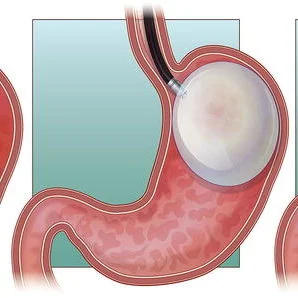
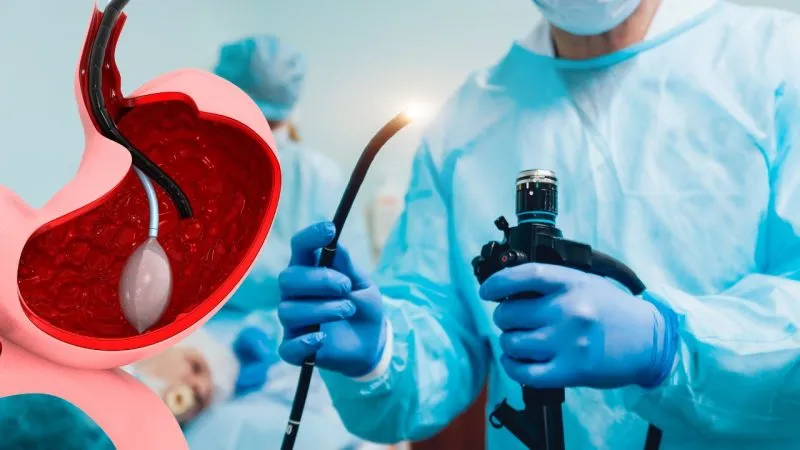
Intragastric Balloon Removal is an endoscopic procedure performed to safely remove a temporary gastric balloon from the stomach after the recommended treatment period has been completed or when earlier removal is medically indicated. The procedure is generally performed through the mouth using an endoscope and does not require an external surgical incision.
The balloon is carefully accessed, deflated, retrieved, and removed under direct visualization by a trained gastroenterologist. After removal, continued nutritional guidance, lifestyle modification, and medical follow-up remain important for long-term weight management.
Step 1: Understanding Intragastric Balloon Removal
An intragastric balloon is designed to remain inside the stomach for a specific period determined by the particular balloon system.
Once the treatment period is complete, the balloon may need to be removed according to the device manufacturer's instructions.
Removal may also be considered earlier when significant symptoms, device-related problems, or complications occur.
Step 2: Reasons for Balloon Removal
Intragastric balloon removal may be planned because:
The recommended treatment period has been completed
The device has reached its approved duration of use
The patient's weight-management treatment phase is complete
The patient and doctor decide to discontinue treatment
Persistent or significant side effects occur
A device-related complication develops
Early removal becomes medically necessary
The exact timing depends on the specific balloon system and the patient's individual clinical condition.
Step 3: Pre-Removal Medical Assessment
Before removal, the gastroenterologist reviews the patient's medical history and current condition.
The doctor may assess:
Duration of balloon placement
Weight-management progress
Current gastrointestinal symptoms
Tolerance of the balloon
Previous complications
Current medications
Existing stomach or esophageal conditions
Previous endoscopic procedures
General health status
This assessment helps determine the safest approach to balloon removal.
Step 4: Confirming the Balloon System
Because different intragastric balloon systems have different designs and removal requirements, the medical team confirms:
Type of balloon
Placement date
Expected removal date
Filling material
Device-specific removal instructions
Any previous device-related concerns
This information helps the gastroenterologist plan the appropriate removal technique.
Step 5: Preparing for the Procedure
Proper preparation is essential before endoscopic balloon removal.
Patients may be instructed to:
Follow a specific diet before the procedure
Take clear liquids when advised
Remain fasting for the required period
Follow medication instructions provided by the doctor
Inform the medical team about blood-thinning medicines
Report medication allergies
Inform the team about any previous sedation or anesthesia problems
The exact preparation instructions vary according to the device and the clinical protocol.
Step 6: Sedation or Anesthesia
Balloon removal is usually performed with appropriate sedation or anesthesia to maximize patient comfort.
During the procedure, the medical team may continuously monitor:
Blood pressure
Heart rate
Oxygen saturation
Breathing
Overall clinical condition
The type of sedation depends on the patient's needs and the requirements of the procedure.
Step 7: Initial Upper GI Endoscopy
The gastroenterologist gently introduces a flexible endoscope through the mouth and into the upper digestive tract.
The endoscope allows the doctor to examine:
Esophagus → Stomach → Duodenum
Before removing the balloon, the doctor evaluates the stomach and balloon for any visible abnormalities or complications.
Step 8: Locating and Assessing the Balloon
The balloon is carefully identified inside the stomach.
The gastroenterologist assesses:
Its position
Its appearance
Its overall condition
The surrounding stomach lining
Any inflammation or irritation
Any ulceration or bleeding
This ensures that the appropriate removal technique can be selected.
Step 9: Accessing the Balloon
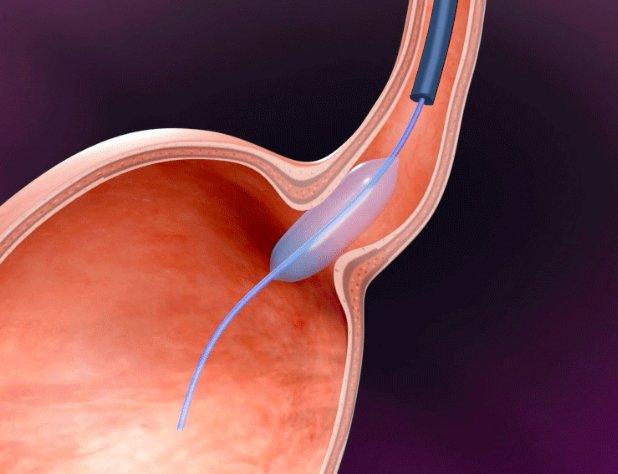
For balloon systems requiring endoscopic removal, specialized endoscopic accessories are used to access the balloon.
The gastroenterologist carefully positions the equipment under direct visualization to avoid unnecessary trauma to the stomach or esophagus.
Step 10: Deflating the Balloon
The balloon is carefully deflated according to the specific device's approved removal technique.
Depending on the balloon system, the process may involve:
Accessing the filling mechanism → Removing or evacuating the contents → Confirming complete deflation
Complete deflation is important before the balloon is retrieved.
Step 11: Secure Retrieval of the Balloon
Once fully deflated, the balloon is grasped using an appropriate endoscopic retrieval device.
The gastroenterologist ensures that the balloon is securely held before beginning withdrawal.
This controlled technique helps reduce the risk of accidental release or injury during removal.
Step 12: Removing the Balloon
The collapsed balloon is carefully withdrawn through the stomach and esophagus and removed through the mouth.
The entire process is performed under endoscopic visualization to allow the physician to monitor the surrounding tissues and ensure safe retrieval.
Because the balloon has been deflated, it can be removed through the upper gastrointestinal tract without an external surgical incision.
Step 13: Final Endoscopic Examination
After the balloon has been removed, the gastroenterologist performs a final examination of the esophagus and stomach.
The doctor may check for:
Bleeding
Irritation
Ulceration
Inflammation
Mucosal injury
Other abnormalities
If any concerning findings are identified, further evaluation or treatment may be recommended.
Step 14: Biopsy When Clinically Indicated
If abnormal tissue is identified during endoscopy, the doctor may take a small biopsy sample for laboratory examination.
Biopsy may be considered when there is:
Significant inflammation
Ulceration
Suspicious tissue
Unexplained gastric or esophageal abnormalities
Tissue analysis can help establish an accurate diagnosis when required.
Step 15: Completion of the Procedure
Once satisfactory removal and examination have been completed, the endoscope is carefully withdrawn.
The patient is then transferred to a recovery area for observation following sedation or anesthesia.
The procedure findings and any additional interventions are documented in the patient's medical record.
Step 16: Recovery After Balloon Removal
After the procedure, patients are monitored until they have adequately recovered from sedation.
Temporary symptoms may include:
Mild nausea
Mild abdominal discomfort
Bloating
Mild cramping
Temporary throat irritation
These symptoms often improve as the effects of the procedure and sedation wear off.
Step 17: Diet After Removal
The patient's diet is usually advanced gradually according to their condition and the doctor's instructions.
Depending on the clinical situation, the patient may progress through:
Clear liquids → Soft foods → Gradual return to a normal diet
The exact dietary plan is individualized based on the endoscopic findings and the patient's tolerance.
Step 18: Returning to Normal Activities
Recovery is generally straightforward, but patients should follow the specific advice given by their medical team.
When sedation or anesthesia has been used, patients may need assistance returning home and should avoid driving or activities requiring full alertness until medically appropriate.
The treating doctor will provide individualized instructions regarding exercise, work, medication, and diet.
Step 19: Continuing Weight Management After Removal
Removal of the balloon marks the end of the device-based treatment phase, but weight-management care should continue.
Patients may benefit from ongoing support including:
Healthy nutrition
Portion control
Regular physical activity
Behavioral modification
Weight monitoring
Medical follow-up
Management of obesity-related conditions
Long-term lifestyle changes are essential for maintaining healthy weight-management progress.
Step 20: Monitoring Weight After Removal
Regular follow-up can help the healthcare team monitor:
Weight changes
Appetite
Nutritional habits
Physical activity
Metabolic health
Possible weight regain
Long-term treatment goals
Early follow-up can help identify challenges and allow the treatment plan to be adjusted when necessary.
Step 21: Possible Risks and Complications
Although endoscopic balloon removal is generally performed safely by trained specialists, potential risks may include:
Nausea or vomiting
Temporary abdominal discomfort
Minor bleeding
Throat irritation
Aspiration
Sedation-related complications
Injury to the esophagus or stomach
Rarely, significant bleeding or perforation
The individual risk varies depending on the balloon type, duration of placement, the patient's health, and whether any complications have developed.
Step 22: Early Removal for Medical Reasons
In certain situations, a balloon may need to be removed before its planned end date.
Possible reasons include:
Persistent severe nausea or vomiting
Significant or worsening abdominal pain
Balloon-related complications
Device malfunction
Balloon deflation or migration
Gastric injury
Other clinically significant adverse effects
Any decision regarding early removal should be made by the treating medical team following appropriate assessment.
Step 23: Warning Signs After Removal
Patients should seek prompt medical attention if they develop:
Severe or worsening abdominal pain
Persistent vomiting
Vomiting blood
Black or bloody stools
Fever
Difficulty breathing
Significant dizziness or weakness
Heavy bleeding
Sudden deterioration in overall condition
These symptoms may require urgent medical evaluation.
Step 24: Follow-Up After Balloon Removal
A follow-up consultation may be recommended after removal to assess:
Recovery
Weight progress
Nutritional status
Gastrointestinal symptoms
Lifestyle changes
Obesity-related medical conditions
Long-term weight-management goals
Follow-up is an important part of maintaining the benefits achieved during balloon therapy.
Frequently Asked Questions
What is Intragastric Balloon Removal?
It is an endoscopic procedure used to remove a temporary gastric balloon from the stomach after completion of treatment or when medical removal is required.
Does balloon removal require surgery?
No external surgical incision is generally required for endoscopic balloon removal. The device is removed through the mouth using an endoscope.
How is the balloon removed?
The gastroenterologist accesses the balloon, deflates it, securely grasps it with an endoscopic retrieval device, and carefully removes it through the upper gastrointestinal tract.
Is sedation used?
Appropriate sedation or anesthesia is commonly used to maintain patient comfort during the procedure.
When should the balloon be removed?
The timing depends on the specific balloon system and its approved duration of use. The treating doctor should follow the manufacturer's instructions and the patient's clinical needs.
Can the balloon be removed earlier than planned?
Yes. Early removal may be medically indicated when significant symptoms, complications, or device-related problems develop.
Can I eat normally immediately after removal?
Diet is generally resumed gradually according to the doctor's instructions and the patient's tolerance.
Is follow-up necessary after removal?
Yes. Continued medical, nutritional, and lifestyle follow-up is important to support long-term weight management and help reduce the risk of weight regain.
Conclusion
Intragastric Balloon Removal is a specialized endoscopic procedure designed to safely remove a temporary gastric balloon after completion of treatment or when earlier removal is medically necessary.
The procedure involves pre-procedure assessment, endoscopic examination, controlled balloon deflation, secure retrieval, final inspection, recovery, and appropriate follow-up.
Because different intragastric balloon systems have different designs, approved treatment durations, and removal techniques, the procedure should always be performed according to the specific device requirements and the patient's individual clinical condition.
After removal, continued nutritional guidance, physical activity, healthy eating habits, weight monitoring, and medical follow-up are important for achieving sustainable long-term weight management.
Safe endoscopic removal combined with structured post-treatment care provides a comprehensive approach to weight-management after intragastric balloon therapy.
If you are interested to see more about this Book best doctor for balloon procedure ..