Flexible Sigmoidoscopy: Procedure, Preparation, Uses, Benefits, and Recovery
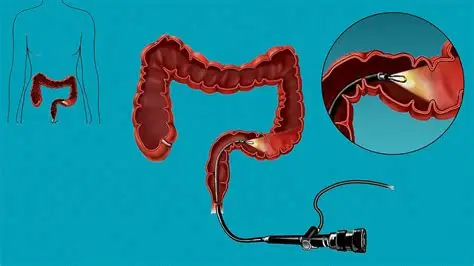
Flexible Sigmoidoscopy is a minimally invasive endoscopic procedure used to examine the inner lining of the rectum and lower part of the colon. The procedure is performed using a thin, flexible instrument called a sigmoidoscope, which has a camera and light at its tip. It allows a gastroenterologist to directly visualize the lower gastrointestinal tract and identify abnormalities that may not be detected through routine examination.
Flexible sigmoidoscopy may be recommended for the evaluation of symptoms such as rectal bleeding, changes in bowel habits, persistent diarrhea, unexplained lower abdominal discomfort, or suspected disease affecting the rectum and sigmoid colon. In selected cases, tissue samples can also be taken or certain small lesions can be treated during the procedure.
Step 1: Understanding Flexible Sigmoidoscopy
The large intestine includes the colon and rectum. The sigmoid colon is the section of the colon closest to the rectum.
Flexible sigmoidoscopy allows the doctor to examine:
Rectum → Sigmoid Colon → Lower part of the Descending Colon
Unlike a colonoscopy, which is designed to examine the entire colon, flexible sigmoidoscopy generally focuses on the lower portion of the large intestine.
Step 2: Why Flexible Sigmoidoscopy Is Performed
A gastroenterologist may recommend flexible sigmoidoscopy to investigate symptoms or abnormalities affecting the lower gastrointestinal tract.
Common reasons include:
Rectal bleeding
Blood in the stool
Persistent changes in bowel habits
Chronic or unexplained diarrhea
Lower abdominal discomfort
Suspected inflammation of the rectum or colon
Evaluation of known inflammatory bowel disease
Investigation of abnormal findings from previous tests
Follow-up of certain colorectal conditions
Evaluation of suspected polyps or other lesions
The procedure may also be used for monitoring selected patients with previously diagnosed colorectal or inflammatory bowel conditions.
Step 3: Conditions That May Be Identified
Flexible sigmoidoscopy can help identify a number of abnormalities, including:
Colitis
Proctitis
Inflammatory bowel disease
Colorectal polyps
Diverticular changes
Sources of lower gastrointestinal bleeding
Ulcers
Inflammation
Abnormal growths or suspicious lesions
Certain structural abnormalities of the lower colon
The findings are interpreted together with the patient's symptoms, medical history, examination, and other investigations.
Step 4: Pre-Procedure Medical Assessment
Before the procedure, the gastroenterologist reviews the patient's medical history and current condition.
The doctor may ask about:
Current symptoms
Previous gastrointestinal diseases
Previous colonoscopy or sigmoidoscopy
Current medications
Blood-thinning medicines
Allergies
Previous abdominal or colorectal procedures
Other relevant medical conditions
This assessment helps determine whether flexible sigmoidoscopy is appropriate and whether any medication or preparation adjustments are necessary.
Step 5: Preparation Before the Procedure
Proper bowel preparation is important because stool remaining in the rectum or lower colon can interfere with visualization.
The preparation required depends on the individual patient and the healthcare facility's protocol and may include:
Following specific dietary instructions
Temporarily modifying food intake before the procedure
Using an enema or prescribed bowel-cleansing preparation
Following instructions regarding medications
Maintaining appropriate hydration according to medical advice
Patients should follow the preparation instructions provided by their gastroenterologist carefully to ensure a clear examination.
Step 6: Positioning and Procedure Preparation
On the day of the procedure, the patient is positioned appropriately, usually on the left side with the knees gently drawn toward the chest.
The medical team explains the procedure and monitors the patient's comfort and vital signs as appropriate.
Sedation is not always required for flexible sigmoidoscopy, although it may be considered depending on the procedure, patient preference, and clinical circumstances.
Step 7: Inserting the Sigmoidoscope
The gastroenterologist gently inserts the lubricated flexible sigmoidoscope through the anus into the rectum.
The instrument is carefully advanced into the sigmoid colon and, when appropriate, toward the lower portion of the descending colon.
A camera at the tip allows the doctor to view the intestinal lining in real time on a monitor.
The procedure is performed carefully to minimize discomfort while obtaining a clear view of the examined bowel.
Step 8: Detailed Examination of the Colon Lining
As the sigmoidoscope is advanced and then gradually withdrawn, the gastroenterologist carefully examines the lining of the rectum and lower colon.
The doctor looks for:
Redness or inflammation
Swelling
Ulcers
Bleeding
Polyps
Abnormal tissue
Narrowing
Diverticular changes
Suspicious lesions
The appearance, location, size, and characteristics of any abnormalities are documented as part of the medical assessment.
Step 9: Biopsy During Flexible Sigmoidoscopy
One of the important advantages of flexible sigmoidoscopy is that biopsies can be performed when required.
A biopsy involves taking a small sample of tissue from an area that appears abnormal or from otherwise selected areas when microscopic evaluation is clinically indicated.
The tissue sample can then be sent to a pathology laboratory for detailed examination.
Biopsy may help evaluate conditions such as:
Inflammatory bowel disease
Colitis
Microscopic or other inflammatory changes
Abnormal or suspicious tissue
Other diseases affecting the intestinal lining
Taking a biopsy does not necessarily mean that cancer is suspected; tissue sampling is often performed to obtain a more accurate diagnosis.
Step 10: Removal of Small Polyps
When appropriate, certain small polyps may be removed during flexible sigmoidoscopy.
This procedure is called Polypectomy.
Removing a suitable polyp allows the tissue to be examined by pathology and may help prevent some precancerous lesions from progressing.
The ability to diagnose and treat selected abnormalities during the same procedure is one of the important advantages of endoscopic evaluation.
Step 11: Evaluation of Rectal Bleeding
Flexible sigmoidoscopy can be particularly useful when investigating rectal bleeding or blood in the stool.
The examination can help identify possible sources such as:
Hemorrhoidal disease
Proctitis
Colitis
Polyps
Ulcers
Other lesions
Lower gastrointestinal bleeding sources
The gastroenterologist determines whether further investigation, including full colonoscopy, is necessary based on the findings and the patient's overall risk profile.
Step 12: Flexible Sigmoidoscopy in Inflammatory Bowel Disease
Flexible sigmoidoscopy may be used in patients with Ulcerative Colitis and selected cases of other inflammatory bowel diseases.
It can help assess:
Degree of inflammation
Extent of disease in the examined area
Ulceration
Mucosal changes
Response to treatment
Disease activity during follow-up
Biopsies may be taken to support diagnosis and assess microscopic inflammation.
Step 13: Role in the Evaluation of Bowel Habit Changes
Persistent changes in bowel habits can sometimes indicate a gastrointestinal disorder requiring further evaluation.
Flexible sigmoidoscopy may be considered when patients experience:
Persistent diarrhea
New or unexplained constipation
Recurrent urgency
Mucus or blood in the stool
A persistent change in normal bowel habits
The procedure helps the doctor directly assess the lower colon and rectum for structural or inflammatory abnormalities.
Step 14: What the Patient May Feel During the Procedure
Some patients experience mild discomfort, pressure, cramping, or a sensation of needing to pass stool during the procedure.
These sensations may occur because air or gas is introduced into the bowel to improve visualization.
The medical team monitors the patient throughout the procedure and adjusts the examination according to the patient's comfort and clinical needs.
Step 15: Duration of the Procedure
Flexible sigmoidoscopy is generally a relatively short endoscopic examination. The exact duration varies depending on:
The patient's anatomy
The quality of bowel preparation
The findings
Whether biopsies are taken
Whether polyps require removal
Any additional treatment required
The total time spent at the healthcare facility may be longer than the procedure itself because of preparation, recovery, and post-procedure discussion.
Step 16: After the Procedure
After flexible sigmoidoscopy, the patient may experience temporary:
Mild abdominal bloating
Gas
Mild cramping
Rectal discomfort
These symptoms generally settle as the remaining air passes from the intestine.
The doctor may discuss the initial findings immediately after the procedure. If biopsies or polyps were removed, the final diagnosis may depend on the pathology report.
Step 17: Recovery and Returning to Routine Activities
Recovery is usually quick, particularly when sedation is not used.
Patients should follow the specific instructions provided by their healthcare team regarding:
Eating and drinking
Medication
Physical activity
Driving
Follow-up appointments
When sedation has been used, patients may need someone to accompany them home and should follow the facility's instructions regarding driving and other activities.
Step 18: Understanding the Results
The gastroenterologist reviews the findings from the examination and explains whether the colon and rectum appear normal or whether abnormalities were identified.
Possible outcomes include:
Normal examination → Routine follow-up as advised
Inflammation detected → Further evaluation and appropriate treatment
Polyp detected → Removal and pathology assessment when appropriate
Suspicious lesion detected → Biopsy and further diagnostic evaluation
Limited examination or significant findings → Full colonoscopy or additional investigation may be recommended
The next step depends on the patient's individual findings and clinical history.
Step 19: Flexible Sigmoidoscopy vs. Colonoscopy
Although both procedures use an endoscope to examine the large intestine, they differ in their scope.
Flexible Sigmoidoscopy
Primarily examines the:
Rectum + Sigmoid Colon + Lower Descending Colon
Colonoscopy
Designed to examine the:
Entire Colon + Rectum
The choice between the two depends on the patient's symptoms, screening status, medical history, previous findings, and the clinical question being investigated.
In some situations, a full colonoscopy may be recommended instead of or after flexible sigmoidoscopy.
Step 20: Benefits of Flexible Sigmoidoscopy
Flexible sigmoidoscopy provides several important clinical benefits.
It allows the gastroenterologist to:
Directly visualize the lower gastrointestinal tract
Identify inflammation and other abnormalities
Investigate rectal bleeding
Detect certain polyps and lesions
Obtain biopsies
Remove selected small polyps
Monitor known colorectal disease
Guide further investigation and treatment
Because the procedure provides direct visualization, it may offer information that cannot be obtained from symptoms or routine laboratory tests alone.
Step 21: Possible Risks and Complications
Flexible sigmoidoscopy is generally considered a safe procedure when performed by trained medical professionals, but like any medical procedure, it carries some potential risks.
These may include:
Temporary abdominal discomfort or bloating
Minor bleeding, particularly after biopsy or polyp removal
Infection, which is uncommon
Adverse reaction to sedation when sedation is used
Rarely, injury or perforation of the bowel
The individual risks depend on the patient's medical condition and whether additional procedures such as biopsy or polypectomy are performed.
Step 22: When to Contact a Doctor After the Procedure
Patients should follow the post-procedure instructions provided by their healthcare team.
Medical attention should be sought for concerning symptoms such as:
Severe or persistent abdominal pain
Heavy rectal bleeding
Fever
Persistent vomiting
Significant dizziness or weakness
Other sudden or worsening symptoms
Prompt assessment is important if a patient develops symptoms that are unusual or severe following the procedure.
Step 23: Who May Benefit From Flexible Sigmoidoscopy?
Flexible sigmoidoscopy may be appropriate for selected patients with:
Rectal bleeding
Persistent lower abdominal symptoms
Chronic diarrhea
Changes in bowel habits
Suspected proctitis or colitis
Known inflammatory bowel disease
Suspected rectal or sigmoid polyps
Abnormal previous investigations
Specific follow-up requirements
The gastroenterologist determines whether flexible sigmoidoscopy or another investigation is the most appropriate option.
Frequently Asked Questions About Flexible Sigmoidoscopy
What is flexible sigmoidoscopy?
Flexible sigmoidoscopy is an endoscopic procedure that examines the rectum and lower portion of the colon using a flexible camera-equipped instrument.
Is flexible sigmoidoscopy the same as colonoscopy?
No. Flexible sigmoidoscopy examines only the lower portion of the large intestine, while colonoscopy is designed to examine the entire colon and rectum.
Can a biopsy be taken during flexible sigmoidoscopy?
Yes. The gastroenterologist can take tissue samples during the procedure when clinically indicated.
Can polyps be removed during the procedure?
Yes. Selected polyps may be removed during the procedure using endoscopic techniques such as polypectomy.
Is sedation required?
Not necessarily. Sedation requirements vary according to the patient, the procedure, the clinical situation, and the healthcare facility's protocol.
Is flexible sigmoidoscopy painful?
Patients may experience mild pressure, cramping, or bloating, but the level of discomfort varies between individuals.
How should I prepare for flexible sigmoidoscopy?
Preparation depends on the clinical situation and facility protocol. Patients may be instructed to follow dietary restrictions and use an enema or other bowel-cleansing preparation before the procedure.
How soon can I return to normal activities?
Recovery is usually quick, but patients should follow the specific instructions provided by their healthcare team, particularly if sedation has been used.
Conclusion
Flexible Sigmoidoscopy is an important diagnostic and therapeutic endoscopic procedure for evaluating the rectum and lower part of the colon. It provides direct visualization of the intestinal lining and can help identify inflammation, bleeding, polyps, ulcers, and other abnormalities.
When clinically appropriate, the gastroenterologist may also perform biopsy or polypectomy during the same procedure, allowing further diagnosis and, in selected cases, treatment.
The decision to perform flexible sigmoidoscopy should be based on the patient's symptoms, medical history, risk factors, previous investigations, and the suspected gastrointestinal condition. For persistent rectal bleeding, unexplained bowel changes, chronic diarrhea, or other concerning lower gastrointestinal symptoms, timely evaluation by a qualified gastroenterologist can help establish the correct diagnosis and guide appropriate management.