Fundal Varices Sclerotherapy – Detailed Step-by-Step Description
Fundal Varices Sclerotherapy is an endoscopic treatment used to manage gastric fundal varices, which are enlarged veins located in the fundus (upper portion) of the stomach. These varices commonly develop due to portal hypertension, often associated with chronic liver disease, cirrhosis, or splenic vein obstruction. Because fundal varices can cause severe gastrointestinal bleeding, timely diagnosis and appropriate specialist treatment are essential. The best Gastroenterologist doctor https://doctoraklohana.com/
Step 1: Patient Assessment and Medical Evaluation
Before the procedure, the patient undergoes a detailed clinical assessment. The doctor reviews the patient's medical history, liver condition, previous episodes of gastrointestinal bleeding, current medications, allergies, and relevant laboratory investigations. Blood counts, coagulation profile, liver function tests, and other investigations may be reviewed to assess the patient's overall condition and bleeding risk.
Step 2: Patient Preparation
The patient is prepared according to the endoscopy unit's clinical protocol. Fasting is generally required before the procedure, and intravenous access is established when appropriate. In emergency cases involving active bleeding, stabilization and resuscitation may be necessary before or alongside endoscopic treatment.
Step 3: Sedation and Continuous Monitoring
Appropriate sedation or anesthesia is administered according to the patient's condition and the procedure's requirements. Vital signs, including blood pressure, heart rate, oxygen saturation, and respiratory status, are closely monitored throughout the procedure to maintain patient safety.
Step 4: Upper Gastrointestinal Endoscopic Examination
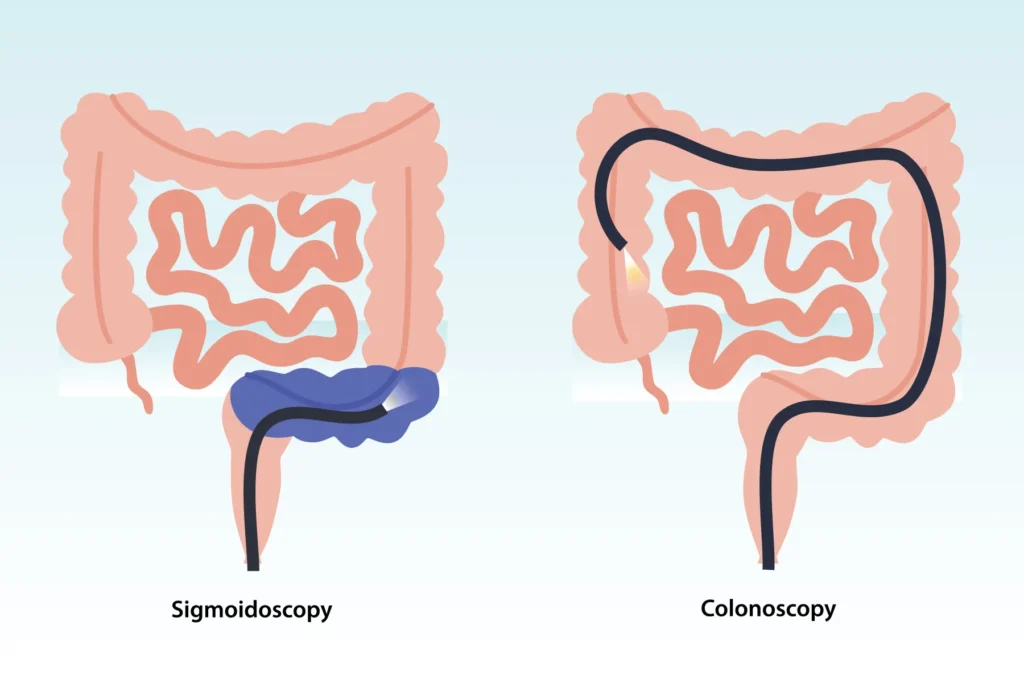
A flexible endoscope is carefully introduced through the mouth and advanced into the esophagus and stomach. The specialist examines the upper gastrointestinal tract to identify the location, size, and appearance of the fundal varices. The examination also helps identify active bleeding, blood clots, and other potential sources of gastrointestinal hemorrhage.
Step 5: Identification and Assessment of Fundal Varices
The fundal varices are carefully evaluated to determine the appropriate treatment approach. Their size, location, bleeding status, and surrounding anatomy are assessed. Depending on the clinical findings, the specialist may consider endoscopic injection therapy, tissue adhesive treatment, endoscopic ultrasound-guided treatment, or other appropriate interventions.
Step 6: Selection of the Appropriate Sclerotherapy Technique
When sclerotherapy is indicated, the specialist selects an appropriate sclerosant and treatment technique based on the patient's condition and the characteristics of the varices. It is important to distinguish conventional injection sclerotherapy from other treatments used for gastric fundal varices, as tissue adhesives and other specialized techniques may be preferred in many cases.
Step 7: Endoscopic Injection Treatment
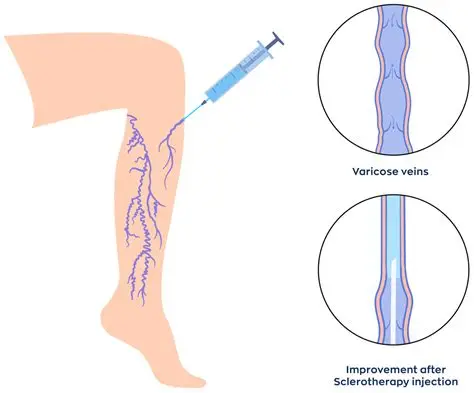
Using a specialized endoscopic injection needle, the specialist delivers the selected therapeutic agent into or around the targeted varix, according to the chosen technique. The aim is to promote thrombosis or obliteration of the abnormal vessel and reduce the risk of continued or recurrent bleeding.
Clinical note: Conventional sclerotherapy is not interchangeable with tissue adhesive injection or endoscopic variceal obturation. Gastric fundal varices may require specialized treatment because of their anatomy and potentially severe bleeding risk.
Step 8: Assessment of Treatment Response
After treatment, the specialist reassesses the treated area endoscopically. The examination focuses on the appearance of the varices, evidence of bleeding control, and any immediate complications. Additional treatment may be considered when clinically necessary and appropriate.
Step 9: Post-Procedure Monitoring and Recovery
Following the procedure, the patient is monitored in a recovery area or an appropriate hospital setting. The medical team observes vital signs, symptoms, and any evidence of recurrent bleeding or procedure-related complications. Patients with significant bleeding or advanced liver disease may require continued inpatient monitoring.
Step 10: Post-Procedure Care and Dietary Guidance
Dietary instructions are provided according to the patient's condition and the specific treatment performed. The doctor may recommend a gradual return to oral intake when safe, medication review, and precautions to reduce complications. Patients should follow the treating specialist's instructions regarding medications and activity.
Step 11: Follow-Up and Long-Term Management
Follow-up is planned according to the underlying liver condition, treatment response, and risk of recurrent bleeding. Repeat endoscopy, imaging, or additional interventions may be required. Long-term management may include treatment of portal hypertension and the underlying cause of varices.
Step 12: Prevention of Recurrent Bleeding
Patients receive guidance regarding ongoing liver disease management, prescribed medications, and scheduled specialist follow-up. The treatment plan may involve a multidisciplinary team, including gastroenterologists, hepatologists, interventional radiologists, and other specialists when necessary.
Benefits and Treatment Goals
Helps manage selected cases of gastric fundal varices.
Aims to control gastrointestinal bleeding when appropriate.
May reduce the risk of recurrent bleeding when effective variceal obliteration is achieved.
Provides endoscopic visualization of the targeted area.
May be incorporated into a comprehensive treatment plan for portal hypertension and liver disease.
Risks and Important Considerations
Potential complications may include recurrent bleeding, ulceration, infection, fever, tissue injury, perforation, and complications related to the injected agent. The specific risks depend on the treatment technique and the patient's clinical condition.
Medical Emergency: Vomiting blood, passing black or tarry stools, fainting, severe dizziness, or signs of significant blood loss require immediate emergency medical attention.
Conclusion: Fundal Varices Sclerotherapy is a specialized endoscopic intervention that may be considered in selected cases of gastric varices. The appropriate treatment method depends on the location and severity of the varices, the presence of active bleeding, and the patient's overall medical condition. All procedures should be performed by appropriately trained specialists in a suitably equipped clinical setting.