Diabetes and Peripheral Artery Disease
Introduction
Peripheral Artery Disease (PAD) is a circulatory condition in which the arteries that supply blood to the legs and feet become narrowed or blocked, most commonly due to the buildup of fatty deposits known as plaque. People living with diabetes have an increased risk of developing PAD, particularly when blood sugar levels remain elevated over a long period.
Diabetes can damage blood vessels and contribute to poor circulation. When PAD develops, the reduced blood supply may cause leg discomfort, difficulty walking, slow-healing wounds, and, in severe cases, tissue damage. Some patients may have no noticeable symptoms, making regular medical assessment especially important.
Early diagnosis, effective diabetes management, and appropriate treatment can help improve circulation, reduce complications, and protect the health of the legs and feet.
1. Understanding Peripheral Artery Disease
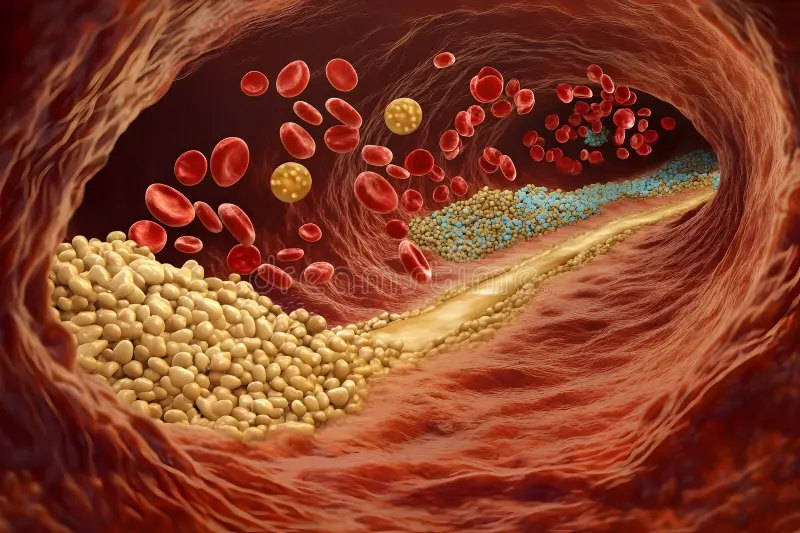
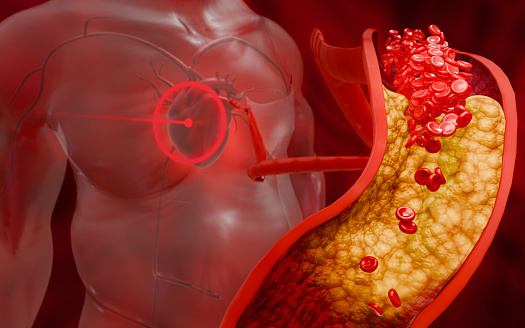
Peripheral Artery Disease primarily affects the arteries outside the heart and brain, especially those supplying the lower limbs. It commonly develops when atherosclerosis causes fatty deposits to accumulate inside the arterial walls.
As the arteries narrow, less oxygen-rich blood reaches the leg muscles and feet. This can lead to pain during walking, reduced exercise tolerance, and delayed wound healing.
Diabetes is an important risk factor for PAD because prolonged high blood glucose can damage blood vessels and often occurs alongside other risk factors, such as high blood pressure and abnormal cholesterol levels.
2. The Connection Between Diabetes and PAD
People with diabetes may develop changes in their blood vessels that increase the risk of circulation problems. High blood glucose can contribute to arterial damage, while high blood pressure and elevated LDL cholesterol can accelerate plaque formation.
Diabetes-related nerve damage may also reduce sensation in the feet. As a result, a patient may not notice a blister, cut, or developing wound until it becomes more serious.
When PAD and diabetic neuropathy occur together, the risk of foot ulcers, infection, poor wound healing, and limb-threatening complications can increase.
3. Common Symptoms of Peripheral Artery Disease
Symptoms vary depending on the severity of the condition. Some people have no obvious symptoms, while others develop problems that affect their daily activities.
Common warning signs include:
Pain or cramping in the calves, thighs, or buttocks while walking.
Leg discomfort that improves after resting.
Numbness, weakness, or unusual sensations in the legs.
Coldness in one foot or lower leg compared with the other.
Changes in the color or appearance of the feet.
Slow-growing toenails or reduced hair growth on the legs.
Wounds on the feet or toes that heal slowly.
Pain in the feet at rest in more advanced disease.
Patients with diabetes should not ignore persistent leg pain, foot discoloration, or wounds that are not healing properly.
4. Risk Factors for PAD in People with Diabetes
Several factors can increase the likelihood of developing peripheral artery disease.
Important risk factors include:
Long-standing diabetes or poorly controlled blood glucose.
High blood pressure.
Elevated LDL cholesterol and triglycerides.
Smoking or tobacco use.
Chronic kidney disease.
Obesity and physical inactivity.
Increasing age.
A personal or family history of cardiovascular disease.
Managing these risk factors is an important part of preventing PAD and reducing the risk of complications.
5. Diagnosis and Medical Evaluation
Early diagnosis helps healthcare professionals determine the severity of circulation problems and select appropriate treatment.
Evaluation may include:
Medical history and physical examination: The doctor reviews symptoms, medical conditions, smoking history, and cardiovascular risk factors. The feet and legs may be examined for wounds, skin changes, temperature differences, and pulses.
Ankle-Brachial Index (ABI): This test compares blood pressure measured at the ankle with blood pressure measured in the arm. It can help identify reduced blood flow in the legs. In some people with diabetes, arterial calcification can make the results falsely high or difficult to interpret.
Toe pressure or Toe-Brachial Index (TBI): These measurements may be useful when ankle arteries are difficult to assess accurately.
Doppler ultrasound: This imaging test helps evaluate blood flow through the arteries.
Additional vascular imaging: Ultrasound, CT angiography, or MR angiography may be considered when further assessment is needed to plan treatment.
Not every patient requires every test. The appropriate investigations depend on symptoms, examination findings, and individual medical circumstances.
6. Treatment and Management Options
Treatment aims to improve circulation, reduce cardiovascular risk, relieve symptoms, and prevent serious complications.
A personalized treatment plan may include:
Improving blood glucose control.
Managing blood pressure and cholesterol.
Stopping smoking.
Following a structured walking or exercise program when appropriate.
Taking prescribed medications to reduce cardiovascular risk.
Receiving appropriate foot care and wound treatment.
Considering vascular procedures for selected patients with severe symptoms or threatened limb circulation.
Medication may include cholesterol-lowering treatment, antiplatelet therapy, or other medicines depending on the patient's condition. These treatments should be selected by a qualified healthcare professional.

7. Blood Sugar, Blood Pressure, and Cholesterol Control
Effective management of diabetes and related cardiovascular risk factors is essential for patients with PAD.
Blood sugar control: Regular glucose monitoring and HbA1c testing help assess diabetes management. Treatment targets should be individualized.
Blood pressure control: Hypertension increases stress on blood vessels and contributes to cardiovascular risk. Regular monitoring and prescribed medication can help control it.
Cholesterol management: High LDL cholesterol contributes to plaque formation in the arteries. Many patients with PAD benefit from intensive cholesterol management, often including statin therapy, according to their individual risk and medical history.
Managing these conditions together can help reduce the risk of heart attack, stroke, and further vascular complications.
8. Diabetic Foot Care and Wound Prevention
Foot care is particularly important for people who have both diabetes and PAD. Reduced blood flow can slow healing, while nerve damage may make injuries difficult to detect.
Important preventive measures include:
Inspecting the feet daily for cuts, blisters, swelling, or changes in color.
Washing and drying the feet carefully.
Wearing properly fitting footwear.
Avoiding walking barefoot.
Avoiding self-treatment of corns, calluses, or foot wounds with sharp instruments.
Seeking prompt medical advice for wounds, redness, swelling, or signs of infection.
Attending regular foot examinations as recommended.
Patients with PAD should avoid heating pads or hot-water bottles on their feet because reduced sensation can increase the risk of burns.
9. Exercise and Lifestyle Modifications
Physical activity can improve walking ability and quality of life for many people with PAD. A supervised or structured walking program is often recommended for patients with stable symptoms.
Lifestyle measures may include:
Participating in an appropriate walking program.
Following a balanced, heart-healthy diet.
Maintaining a healthy body weight.
Avoiding tobacco products.
Taking prescribed medication consistently.
Attending regular medical follow-ups.
Patients with active foot ulcers, severe pain at rest, or suspected limb-threatening ischemia should receive medical assessment before beginning or continuing an exercise program.
10. Possible Complications and When to Seek Urgent Care
If PAD becomes severe, blood flow may be insufficient to support normal tissue function. Complications can include persistent pain at rest, non-healing ulcers, infections, tissue death, and, in advanced cases, the need for limb-saving procedures or amputation.
Seek urgent medical attention if you experience:
Sudden severe pain in a leg or foot.
A suddenly cold, pale, blue, or numb limb.
New weakness or difficulty moving the affected foot.
A rapidly worsening foot wound or spreading infection.
These symptoms may indicate an emergency involving blood flow or infection and should not be managed at home.
A wound that is not healing, new foot discoloration, or pain in the foot at rest also requires prompt medical assessment.
The Role of a Diabetologist in Managing PAD
A diabetologist can help patients manage blood glucose, blood pressure, cholesterol, and other factors that contribute to vascular disease. Regular assessments may help identify early warning signs and support preventive care.
When PAD is suspected or diagnosed, coordinated treatment with a vascular specialist, cardiologist, or foot-care professional may be necessary. Patients with complex wounds or severely reduced circulation may require specialized vascular assessment and treatment.
Conclusion
Diabetes and Peripheral Artery Disease are closely related conditions that can affect circulation, walking ability, and foot health. Early recognition of symptoms, appropriate vascular testing, effective blood sugar and cholesterol management, blood pressure control, smoking cessation, and regular foot examinations are essential parts of care.
Patients living with diabetes should report persistent leg pain, changes in foot color or temperature, and slow-healing wounds to a healthcare professional. Timely evaluation and individualized treatment can help reduce complications and protect long-term health.
Medical Disclaimer: This article is intended for general educational purposes only and does not replace professional medical advice, diagnosis, or treatment. Patients should consult a qualified healthcare professional for an individualized evaluation and treatment plan.