High Cholesterol Management and Treatment
Introduction
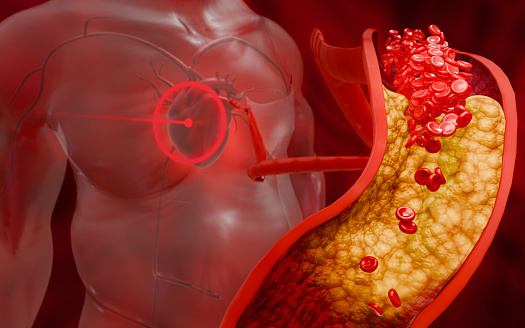
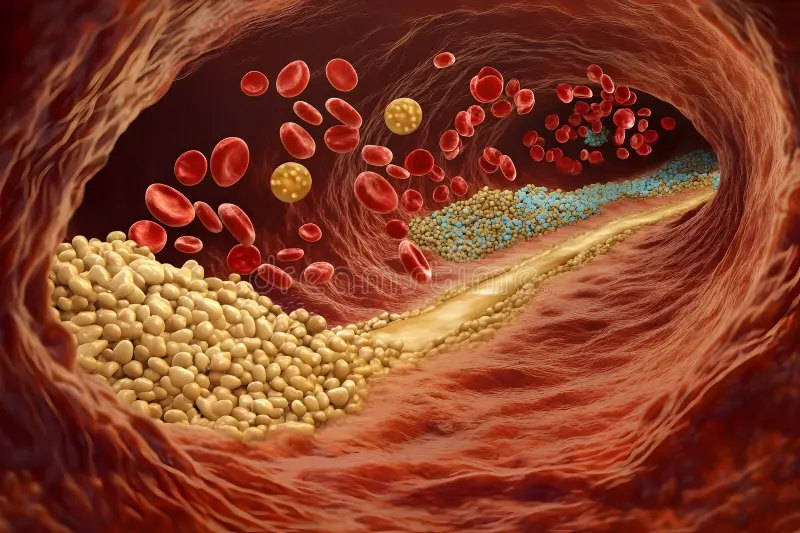
High cholesterol is a common health condition that can increase the risk of heart disease, heart attacks, and strokes if left unmanaged. Cholesterol is a waxy, fat-like substance in the blood that the body needs to build healthy cells and produce certain hormones. However, when cholesterol levels become too high, fatty deposits can accumulate inside the arteries, narrowing them and restricting blood flow.
High cholesterol often develops without noticeable symptoms, which is why regular screening, early diagnosis, and appropriate treatment are important. People with diabetes, high blood pressure, obesity, or a family history of cardiovascular disease may have a greater risk of developing complications related to abnormal cholesterol levels.
Effective cholesterol management involves a combination of healthy lifestyle choices, regular medical monitoring, and medication when necessary. A diabetologist or qualified healthcare professional can assess individual risk factors and recommend a treatment plan tailored to the patient's needs.
Understanding Cholesterol
Cholesterol travels through the bloodstream in particles called lipoproteins. The two main types commonly assessed during cholesterol testing are:
1. Low-Density Lipoprotein (LDL) Cholesterol
LDL is often called "bad cholesterol" because elevated levels can contribute to plaque formation inside the arteries. Over time, this plaque can narrow blood vessels and increase the risk of heart attack and stroke. Managing LDL cholesterol is an important part of reducing cardiovascular risk.
2. High-Density Lipoprotein (HDL) Cholesterol
HDL is commonly known as "good cholesterol" because it helps transport cholesterol away from the bloodstream and tissues toward the liver for processing. Low HDL levels may be associated with a higher risk of cardiovascular disease, although treatment decisions are based on overall cardiovascular risk rather than HDL alone.
3. Triglycerides
Triglycerides are another type of fat found in the blood. Elevated triglycerides can occur alongside diabetes, obesity, and other metabolic conditions. Very high triglyceride levels can increase the risk of pancreatitis, a potentially serious inflammation of the pancreas.
Common Causes of High Cholesterol
High cholesterol can develop for several reasons, including:
A diet high in saturated fats and trans fats.
Excess body weight or obesity.
Limited physical activity.
Diabetes and insulin resistance.
An underactive thyroid gland.
Certain kidney or liver conditions.
Some medications.
Genetic conditions, such as familial hypercholesterolemia.
A family history of high cholesterol or early cardiovascular disease.
Smoking and other lifestyle factors that increase cardiovascular risk.
Identifying the underlying causes helps healthcare professionals choose appropriate treatment and determine whether additional medical investigations are needed.
Symptoms and Warning Signs
High cholesterol usually does not cause noticeable symptoms. Many people discover that their cholesterol levels are elevated only after a blood test.
In some people with inherited cholesterol disorders, cholesterol deposits may develop around the eyes, tendons, or other tissues. However, these signs are not present in everyone and require medical assessment.
Chest pain, shortness of breath, sudden weakness, difficulty speaking, or sudden loss of vision may indicate a serious cardiovascular event rather than high cholesterol itself. Seek emergency medical care if these symptoms occur.
Diagnosis and Cholesterol Testing
A lipid profile is a blood test used to measure different types of fats in the blood. It commonly includes:
Total cholesterol.
LDL cholesterol.
HDL cholesterol.
Triglycerides.
Depending on the patient's medical history and risk factors, a healthcare professional may also recommend blood glucose testing, HbA1c, thyroid function tests, kidney function tests, or liver-related investigations.
Cholesterol results should be interpreted alongside age, blood pressure, smoking status, diabetes, family history, and any previous cardiovascular disease. There is no single cholesterol target suitable for everyone. Patients at higher cardiovascular risk may need lower LDL cholesterol levels than those at lower risk.
Lifestyle Changes for Cholesterol Management
Lifestyle changes are an essential part of controlling cholesterol and protecting long-term heart health.
1. Follow a Heart-Healthy Diet
Choose foods that support healthy cholesterol levels, including vegetables, fruits, whole grains, beans, lentils, nuts, and seeds. Foods containing soluble fibre, such as oats, beans, and certain fruits, may help lower LDL cholesterol.
Limit foods high in saturated fats, such as fatty meats, butter, ghee, and some full-fat dairy products. Avoid trans fats and reduce frequent consumption of deep-fried and highly processed foods.
Use healthier unsaturated fats, such as olive or canola oil, in moderate amounts where available and appropriate.
2. Maintain a Healthy Weight
Excess body weight can contribute to elevated LDL cholesterol and triglycerides, particularly in people with insulin resistance or type 2 diabetes. Gradual, sustainable weight loss may improve cholesterol levels, blood pressure, and blood glucose control.
A healthcare professional can help establish realistic weight-management goals based on individual health needs.
3. Exercise Regularly
Regular physical activity can improve overall cardiovascular health, support weight management, and help lower triglycerides. Adults should generally aim for at least 150 minutes of moderate-intensity aerobic activity each week, if medically appropriate.
Walking, cycling, swimming, and other suitable activities can be beneficial. People with heart disease, significant mobility problems, or diabetes-related foot complications should discuss safe exercise options with their healthcare professional.
4. Stop Smoking
Smoking damages blood vessels and increases the risk of heart attack and stroke. Quitting smoking is an important step toward improving cardiovascular health, particularly for people who have diabetes, high blood pressure, or abnormal cholesterol levels.
5. Limit Alcohol
Alcohol can increase triglyceride levels in some people and may contribute to other health problems. People with high triglycerides, liver disease, or other relevant medical conditions should discuss alcohol use with their healthcare professional.
Medical Treatment for High Cholesterol
Lifestyle changes may not be sufficient for everyone. Medication may be recommended depending on LDL cholesterol levels, overall cardiovascular risk, existing medical conditions, and response to lifestyle measures.
1. Statins
Statins are commonly prescribed medicines that reduce cholesterol production in the liver and lower LDL cholesterol. They can also reduce the risk of heart attack and stroke in appropriately selected patients.
The choice and dose of a statin depend on individual risk, treatment goals, other medications, and tolerance. Patients should not stop prescribed medication without consulting their healthcare professional.
2. Ezetimibe
Ezetimibe reduces the absorption of cholesterol from the intestine. It may be prescribed alongside a statin or used in selected patients who cannot tolerate statins or need additional LDL reduction.
3. Other Cholesterol-Lowering Medicines
For some patients, additional treatments may be considered, including PCSK9-targeting medicines, bempedoic acid, or other specialist-directed therapies. The choice depends on cholesterol levels, inherited risk, previous cardiovascular disease, response to existing treatment, and medicine availability.
Medicines specifically used to lower triglycerides may be considered for selected patients, particularly when triglyceride levels are very high. Treatment should be based on medical evaluation rather than self-medication.
High Cholesterol and Diabetes
People with diabetes often have an increased risk of cardiovascular disease. They may also experience a pattern of abnormal blood fats, including elevated triglycerides, lower HDL cholesterol, and changes in LDL particles.
Managing cholesterol is therefore an important part of comprehensive diabetes care. Treatment may include blood glucose management, a heart-healthy diet, regular physical activity, blood pressure control, smoking cessation, and cholesterol-lowering medication when indicated.
A diabetologist can assess the patient's overall risk and help coordinate a plan to manage diabetes and cholesterol together. The appropriate LDL cholesterol target and need for medication depend on the patient's age, medical history, and cardiovascular risk.