Familial Hypercholesterolemia: Diagnosis and Management
Introduction
Familial Hypercholesterolemia (FH) is an inherited genetic condition that causes significantly elevated low-density lipoprotein (LDL) cholesterol, commonly known as "bad cholesterol," from an early age. Unlike ordinary high cholesterol that may develop due to lifestyle factors, FH is passed from parents to children through genes and can greatly increase the risk of premature heart disease and stroke if left untreated.
Many people with Familial Hypercholesterolemia may not experience noticeable symptoms for years, making early diagnosis essential. With timely medical treatment, cholesterol management, and regular follow-up, patients can significantly reduce their cardiovascular risk and maintain better long-term health.
1. Understanding Familial Hypercholesterolemia
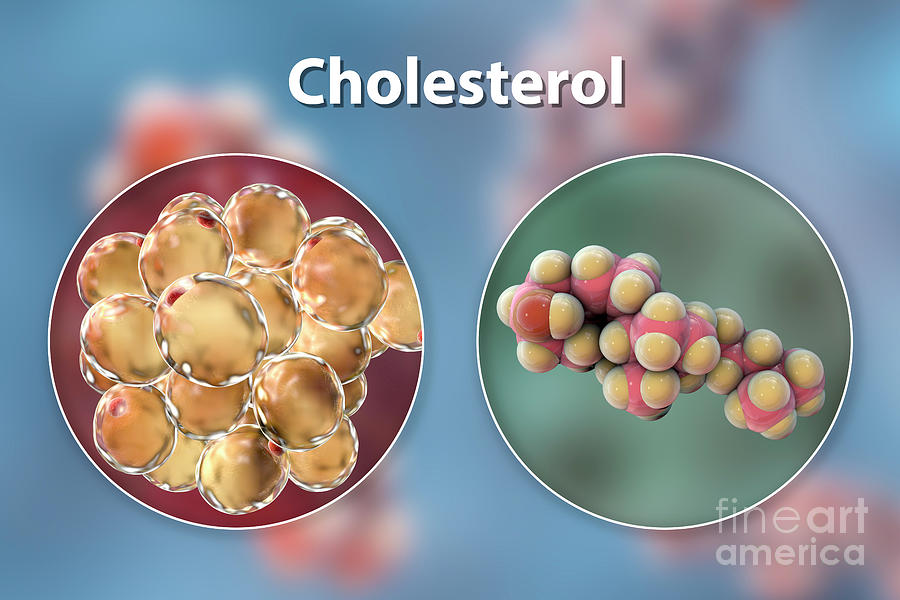
Cholesterol is a fatty substance that the body needs to build cells and produce hormones. Normally, LDL cholesterol is removed from the bloodstream by LDL receptors in the liver. In Familial Hypercholesterolemia, inherited genetic changes reduce the body's ability to clear LDL cholesterol effectively.
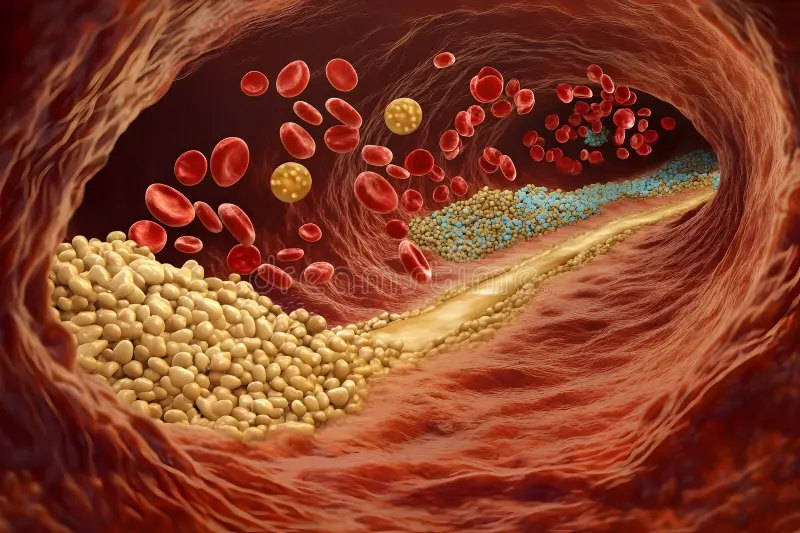
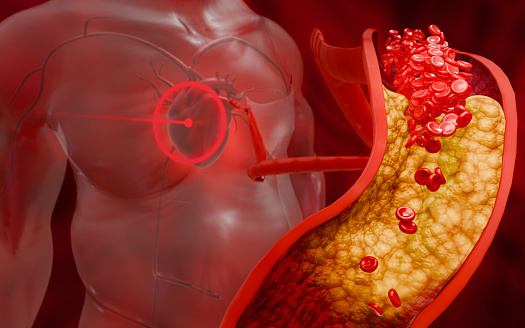
As a result, LDL cholesterol remains excessively high from childhood or early adulthood, allowing cholesterol to accumulate inside blood vessels over many years. This process can lead to atherosclerosis, where fatty plaques narrow the arteries and increase the risk of heart attacks, strokes, and peripheral artery disease.
FH is not caused by poor diet alone, although healthy lifestyle habits remain an important part of treatment.
2. Causes and Genetic Inheritance
Familial Hypercholesterolemia is a hereditary disorder that is usually inherited in an autosomal dominant pattern, meaning a child may inherit the condition if one parent carries the affected gene.
Several genes may be involved, including:
LDLR gene, which affects LDL receptors.
APOB gene, which affects how cholesterol binds to receptors.
PCSK9 gene, which influences cholesterol regulation.
There are two main forms:
Heterozygous Familial Hypercholesterolemia: The more common form, inherited from one parent.
Homozygous Familial Hypercholesterolemia: A much rarer and more severe form, inherited from both parents.
Because FH runs in families, close relatives may also require cholesterol testing and medical evaluation.
3. Symptoms and Warning Signs
Many people with FH do not develop symptoms until cardiovascular disease begins to develop. However, some physical signs may appear in certain individuals.
Possible signs include:
Very high LDL cholesterol on blood tests.
Yellow cholesterol deposits on tendons (xanthomas).
Yellowish patches around the eyelids (xanthelasma).
A gray or white ring around the cornea at a younger age.
Early heart attack or stroke, particularly in younger adults.
A strong family history of high cholesterol or premature heart disease.
The absence of visible symptoms does not mean the condition is harmless. Early blood testing remains one of the most important ways to identify FH.
4. Who Is at Higher Risk?
Some people are more likely to have Familial Hypercholesterolemia than others.
Risk factors include:
A parent with diagnosed FH.
Family members with very high cholesterol.
A family history of heart attack before age 55 in men or before age 65 in women.
Relatives who required cholesterol-lowering medication at a young age.
Multiple family members affected by cardiovascular disease.
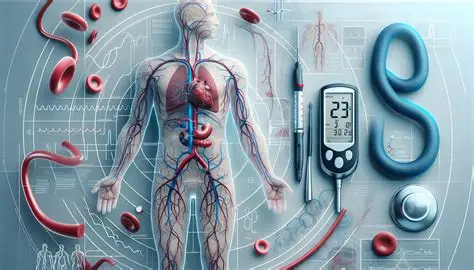
Patients with diabetes who also have FH may require particularly careful cardiovascular risk management.
5. Diagnosis of Familial Hypercholesterolemia
Early diagnosis is essential because treatment often begins before symptoms appear.
A healthcare professional may evaluate:
Medical and Family History
The doctor will ask about high cholesterol, heart disease, strokes, and other cardiovascular conditions affecting close relatives.
Lipid Profile
A blood test measures:
LDL cholesterol.
Total cholesterol.
HDL cholesterol.
Triglycerides.
People with FH often have markedly elevated LDL cholesterol despite otherwise healthy lifestyles.
Physical Examination
The doctor may look for tendon xanthomas, xanthelasma, or other cholesterol-related signs.
Genetic Testing
In some cases, genetic testing may help confirm the diagnosis, particularly when family screening is being considered. However, treatment decisions are often based on clinical findings even when genetic testing is unavailable.
Family Screening
Because FH is inherited, doctors often recommend cholesterol testing for first-degree relatives, including parents, siblings, and children.
6. Treatment and Cholesterol Management
The primary goal of treatment is to lower LDL cholesterol and reduce the risk of cardiovascular disease. Management usually combines medication with healthy lifestyle habits.
Cholesterol-Lowering Medications
Treatment may include:
Statins, which reduce cholesterol production.
Ezetimibe, which reduces cholesterol absorption.
PCSK9 inhibitors for selected high-risk patients.
Other lipid-lowering medications when appropriate.
The choice of medication depends on age, LDL cholesterol levels, existing heart disease, diabetes, and individual medical needs.
Patients should not stop or change cholesterol medication without consulting their healthcare professional.
Blood Sugar and Blood Pressure Control
For patients who also have diabetes or hypertension, controlling these conditions further helps reduce cardiovascular risk.
7. Lifestyle Changes That Support Treatment
Although FH is a genetic condition, healthy habits remain an important part of comprehensive care.
Recommended lifestyle measures include:
Following a heart-healthy diet.
Limiting saturated and trans fats.
Choosing vegetables, fruits, whole grains, and fiber-rich foods.
Including healthy fats from suitable sources.
Maintaining a healthy body weight.
Exercising regularly, when medically appropriate.
Avoiding smoking.
Limiting alcohol according to medical advice.
Lifestyle changes complement medication rather than replacing it in most patients with FH.
8. Preventing Heart Disease in Familial Hypercholesterolemia
Without treatment, FH can substantially increase the risk of cardiovascular disease. Preventive care focuses on reducing long-term exposure to high LDL cholesterol.
Important preventive measures include:
Regular cholesterol monitoring.
Taking prescribed medications consistently.
Managing blood pressure.
Controlling diabetes when present.
Maintaining physical activity.
Avoiding tobacco use.
Attending routine medical follow-up.
Patients with chest pain, sudden weakness, speech difficulty, or other symptoms suggestive of a heart attack or stroke should seek emergency medical care immediately.
9. Monitoring and Long-Term Follow-Up
FH requires lifelong monitoring because cholesterol levels and cardiovascular risk need ongoing assessment.
Regular follow-up may include:
Lipid profile testing.
Blood pressure monitoring.
Diabetes assessment when appropriate.
Review of medication effectiveness.
Evaluation of cardiovascular symptoms.
Adjustment of treatment according to individual response.
Consistent monitoring helps healthcare professionals determine whether treatment goals are being achieved.
10. The Role of a Diabetologist and Cardiovascular Risk Management
A diabetologist plays an important role in managing patients who have diabetes alongside high cholesterol and other metabolic risk factors. By monitoring blood sugar, blood pressure, cholesterol, and overall cardiovascular health, the doctor can develop an individualized treatment plan that addresses multiple risk factors simultaneously.
Some patients may also benefit from coordinated care involving a cardiologist or lipid specialist, particularly when cholesterol levels remain significantly elevated despite treatment.
Conclusion
Familial Hypercholesterolemia is a serious inherited cholesterol disorder that can significantly increase the risk of premature heart disease if left untreated. Because many patients develop no early symptoms, timely diagnosis, family screening, and regular cholesterol testing are extremely important.
With appropriate medications, healthy lifestyle habits, and consistent medical follow-up, people living with FH can effectively reduce their cardiovascular risk and protect their long-term health.
Medical Disclaimer: This article is intended for educational purposes only and does not replace professional medical advice, diagnosis, or treatment. Patients with suspected Familial Hypercholesterolemia or a strong family history of high cholesterol should consult a qualified healthcare professional for evaluation and personalized treatment.