Diabetic Autonomic Neuropathy: Symptoms and Management
Introduction
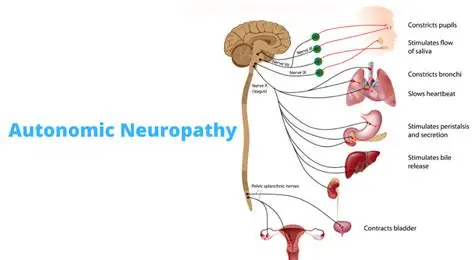
Diabetic autonomic neuropathy is a type of nerve damage that can develop in people living with diabetes. It affects the autonomic nervous system, which controls many involuntary body functions, including heart rate, blood pressure, digestion, bladder function, sweating, and sexual function.
When blood glucose levels remain elevated over a prolonged period, nerves and the small blood vessels that supply them may become damaged. As a result, the body may have difficulty regulating certain essential functions. Symptoms can develop gradually and may initially be mild or overlooked.
Early recognition, effective diabetes management, and appropriate medical evaluation can help patients manage symptoms, reduce the risk of complications, and improve their quality of life.
1. Understanding Diabetic Autonomic Neuropathy
The autonomic nervous system regulates body functions that occur automatically without conscious effort. These include maintaining blood pressure when standing, controlling digestion, regulating sweating, and adjusting heart rate during physical activity.
Diabetic autonomic neuropathy occurs when diabetes damages the nerves responsible for these functions. It may affect one or several body systems, and the symptoms vary from patient to patient.
Although it is more commonly associated with long-standing diabetes, autonomic nerve problems can sometimes develop earlier. Consistent diabetes management and regular medical checkups are important for reducing the risk of nerve damage.
2. Common Causes and Risk Factors
The main underlying risk factor is prolonged exposure to elevated blood glucose levels. Over time, high glucose can interfere with normal nerve function and damage the small blood vessels that supply the nerves.
Other factors that may increase the likelihood of diabetic nerve complications include:
Long duration of diabetes.
Poorly controlled blood sugar levels.
High blood pressure.
Abnormal cholesterol levels.
Smoking.
Obesity and physical inactivity.
Existing diabetic kidney disease or other diabetes-related complications.
Not every patient with diabetes develops autonomic neuropathy. Individual risk depends on several factors, including overall health, diabetes duration, and the presence of other medical conditions.
3. Symptoms of Diabetic Autonomic Neuropathy
Symptoms depend on which nerves are affected. Some patients experience only a few symptoms, while others may develop problems involving several organs.
Common symptoms include:
Dizziness or lightheadedness when standing up.
An unusually rapid heartbeat at rest or an abnormal heart-rate response to activity.
Bloating, nausea, or feeling full quickly after eating.
Constipation or diarrhea.
Difficulty emptying the bladder or urinary problems.
Excessive or reduced sweating.
Changes in sweating during meals or physical activity.
Sexual dysfunction.
Difficulty recognizing symptoms of low blood sugar.
Some patients may have nerve damage without obvious symptoms. New, persistent, or unexplained symptoms should be assessed by a qualified healthcare professional.
4. Cardiovascular Autonomic Neuropathy
Cardiovascular autonomic neuropathy affects the nerves that regulate heart rate and blood pressure. It can interfere with the body's normal response to standing, exercise, and other physical demands.
Patients may experience dizziness when standing, an abnormal heart-rate response, reduced exercise tolerance, or fainting. In some cases, the normal warning signs of cardiovascular stress may be less noticeable.
Evaluation may include heart-rate and blood-pressure measurements, including changes between lying and standing positions. Additional tests may be recommended according to the patient's symptoms and medical history.
Chest pain, severe breathlessness, fainting, or sudden weakness requires urgent medical assessment.
5. Digestive Problems and Gastroparesis
Autonomic nerve damage can affect the stomach and intestines, sometimes causing a condition known as diabetic gastroparesis. In this condition, the stomach empties food more slowly than normal.
Possible symptoms include:
Feeling full after eating a small amount.
Bloating and abdominal discomfort.
Nausea or vomiting.
Reduced appetite.
Constipation or diarrhea.
Difficulty maintaining stable blood glucose levels around meals.
Management depends on symptom severity and may involve dietary adjustments, medication review, glucose monitoring, and specific treatment for delayed stomach emptying when indicated.
Patients with persistent vomiting, dehydration, severe abdominal pain, or difficulty keeping food and fluids down should seek prompt medical care.

6. Bladder and Urinary Problems
Diabetic autonomic neuropathy can affect the nerves that help the bladder store and release urine. Some patients may have reduced awareness of bladder fullness or difficulty emptying the bladder completely.
Symptoms may include urinary hesitancy, a weak stream, a feeling of incomplete emptying, or urinary leakage. Incomplete bladder emptying can increase the risk of urinary tract infections.
A healthcare professional may recommend a medical history review, urine testing, assessment of bladder emptying, or referral to a urologist when necessary. Treatment depends on the underlying problem and may include bladder-management strategies or medication.
7. Sweating Abnormalities and Temperature Regulation
Autonomic nerve damage can interfere with the body's ability to regulate sweating. Some patients experience reduced sweating in certain areas, while others may develop excessive sweating, including during meals.
Reduced sweating can make it harder for the body to cool down in hot weather or during physical activity. Patients should take precautions in hot environments, stay appropriately hydrated, and discuss significant changes in sweating with their doctor.
Sudden changes in sweating accompanied by chest discomfort, breathlessness, or faintness should not automatically be attributed to neuropathy and may require emergency assessment.
8. How Is Diabetic Autonomic Neuropathy Diagnosed?
Diagnosis begins with a detailed medical history and a physical examination. The healthcare professional will ask about symptoms, diabetes duration, blood glucose control, medications, and other possible causes of nerve dysfunction.
Depending on the symptoms, evaluation may include:
Blood pressure and heart-rate measurements while lying and standing.
Cardiovascular autonomic function tests.
Assessment of digestive symptoms and stomach emptying when indicated.
Bladder evaluation if urinary symptoms are present.
Blood tests to assess glucose control and identify other possible causes.
Review of medications that may contribute to dizziness, constipation, or changes in heart rate.
Other conditions can produce similar symptoms, so a proper evaluation is important before confirming the diagnosis.
9. Treatment and Management Options
There is no single treatment that reverses every form of autonomic nerve damage. Management focuses on addressing the underlying causes, controlling symptoms, and preventing further complications.
A personalized treatment plan may include:
Blood glucose management: Maintaining glucose levels within individualized targets may help reduce the risk of additional nerve damage.
Blood pressure management: Treatment may be adjusted when high blood pressure or blood pressure drops on standing are present.
Medication review: Some medicines can worsen dizziness, digestive problems, or bladder symptoms. A doctor can assess whether adjustments are appropriate.
Symptom-specific treatment: Depending on the affected body system, treatment may target digestive symptoms, bladder dysfunction, or blood pressure changes.
Lifestyle modifications: Suitable physical activity, balanced nutrition, smoking cessation, and healthy weight management can support overall metabolic health.
Patients should not stop prescribed diabetes or blood pressure medicines without consulting their healthcare professional.
10. Lifestyle Changes and Prevention
Although autonomic neuropathy cannot always be prevented, managing diabetes and other cardiovascular risk factors may help lower the risk of nerve complications.
Important preventive measures include:
Monitoring blood glucose as advised.
Attending regular HbA1c assessments.
Taking prescribed medicines consistently.
Following a balanced diet with appropriate portion sizes.
Engaging in suitable physical activity.
Monitoring blood pressure and cholesterol.
Avoiding smoking.
Attending regular medical checkups and reporting new symptoms early.
Patients who experience dizziness when standing should rise slowly and discuss the problem with their doctor. They should also seek advice before increasing fluid or salt intake, especially if they have kidney disease, heart failure, or high blood pressure.
The Role of a Diabetologist in Managing Autonomic Neuropathy
A diabetologist plays an important role in managing blood glucose levels, identifying potential diabetes-related complications, and coordinating appropriate investigations and treatment.
Regular consultations allow the doctor to review diabetes control, blood pressure, medications, and symptoms that may indicate autonomic nerve dysfunction. Depending on the affected body system, patients may also need coordinated care from a cardiologist, gastroenterologist, urologist, or neurologist.
Early assessment and individualized management can help patients address symptoms and maintain a better quality of life.
Conclusion
Diabetic autonomic neuropathy is a potentially serious complication that can affect the heart, blood pressure regulation, digestive system, bladder, sweating, and other involuntary body functions. Recognizing symptoms early and seeking appropriate medical evaluation are important steps toward effective management.
Maintaining individualized blood glucose targets, controlling blood pressure and cholesterol, following a healthy lifestyle, and attending regular medical checkups can help reduce the risk of further complications.
Medical Disclaimer: This article is intended for general educational purposes only and does not replace professional medical advice, diagnosis, or treatment. Patients should consult a qualified healthcare professional for an assessment and treatment plan tailored to their individual needs.