HbA1c Monitoring and Control
1. What Is HbA1c?
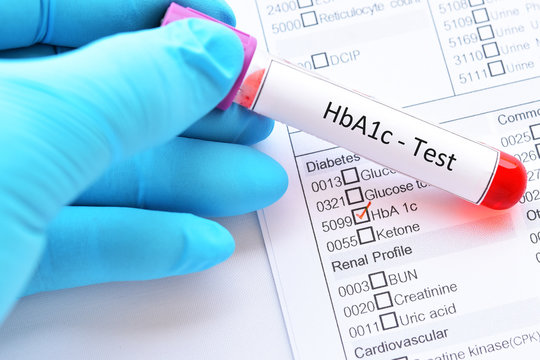
HbA1c is a blood test that measures average blood glucose levels over the previous 2–3 months. It helps assess long-term diabetes management.
2. Importance of HbA1c Testing
Regular HbA1c testing helps doctors evaluate blood sugar control, monitor treatment effectiveness, and identify when adjustments may be needed.
3. Normal HbA1c Levels
- Normal: Below 5.7%
- Prediabetes: 5.7%–6.4%
- Diabetes: 6.5% or higher
These ranges are used for diagnosis, and confirmatory testing may be required.

4. Target HbA1c for Diabetic Patients
An HbA1c target below 7% is appropriate for many non-pregnant adults with diabetes. Individual targets depend on age, overall health, treatment risks, and medical history.
5. Frequency of HbA1c Testing
Patients who are not meeting their glucose targets or have recently changed treatment may need testing approximately every three months. Those with stable glucose control may need testing every six months.
6. Diet and HbA1c Control
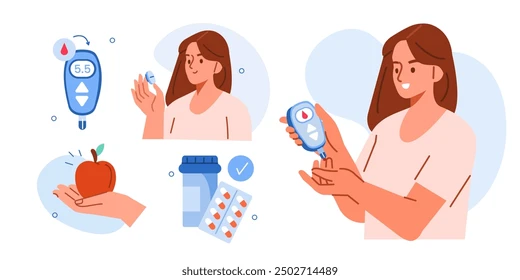
A balanced diet rich in vegetables, fiber, whole grains, and appropriate portions can help improve blood glucose control. Limiting sugary drinks and added sugars is also beneficial.
7. Exercise and Physical Activity
Regular physical activity can improve insulin sensitivity and help maintain healthier blood glucose levels. Exercise plans should be adapted to individual health needs.
8. Medication Adherence
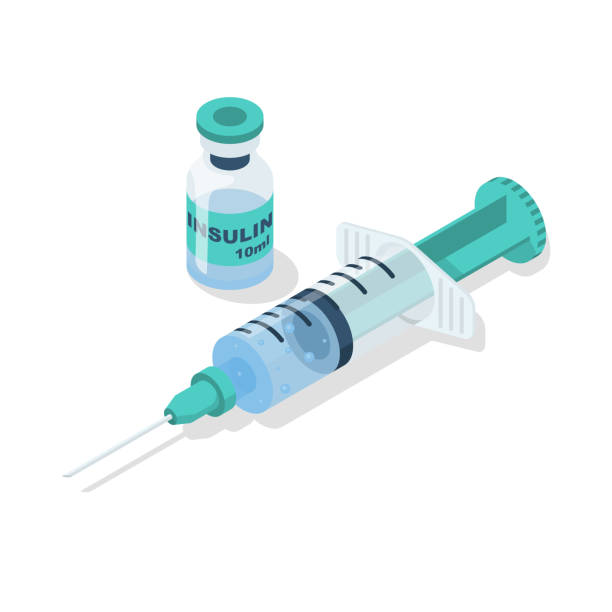
Taking prescribed diabetes medications or insulin as directed is essential for effective glucose management. Patients should not change or stop treatment without consulting their healthcare professional.
9. Causes of High HbA1c
High HbA1c levels may result from insufficient treatment, missed medications, insulin resistance, physical inactivity, dietary factors, illness, or stress. A doctor can help identify the underlying causes.
10. Risks of Poor Diabetes Control
Persistently elevated blood glucose can increase the risk of heart disease, kidney disease, nerve damage, and vision problems. Early intervention and regular monitoring can help reduce these risks.
11. Limitations of the HbA1c Test
Certain conditions, including anemia, some blood disorders, pregnancy, and advanced kidney disease, may affect HbA1c accuracy. Additional glucose tests may be needed in these situations.
12. Regular Diabetologist Consultation
A diabetologist reviews HbA1c results, daily glucose readings, medications, and lifestyle habits to develop an individualized diabetes management plan.
Conclusion
Regular HbA1c monitoring, appropriate medical treatment, healthy lifestyle choices, and routine follow-up are essential for effective diabetes management and reducing the risk of long-term complications.
Medical Disclaimer: This content is for educational purposes only and does not replace professional medical advice, diagnosis, or treatment.