Type 2 Diabetes Treatment
1. What Is Type 2 Diabetes?
Type 2 diabetes is a chronic medical condition in which the body does not use insulin effectively and may gradually produce insufficient insulin, resulting in elevated blood glucose levels.
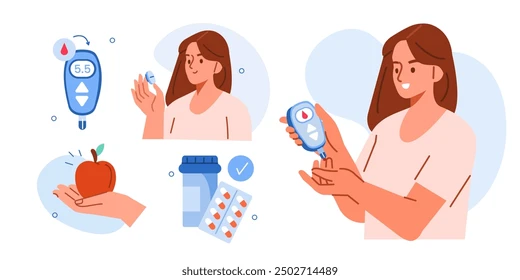
2. Blood Sugar Monitoring
Regular blood glucose monitoring helps patients and healthcare professionals understand glucose patterns and evaluate how well the treatment plan is working.
3. Oral Diabetes Medications
Medications such as metformin may help control blood glucose levels. Other medicines may be prescribed depending on the patient's health, glucose levels, and individual treatment needs.
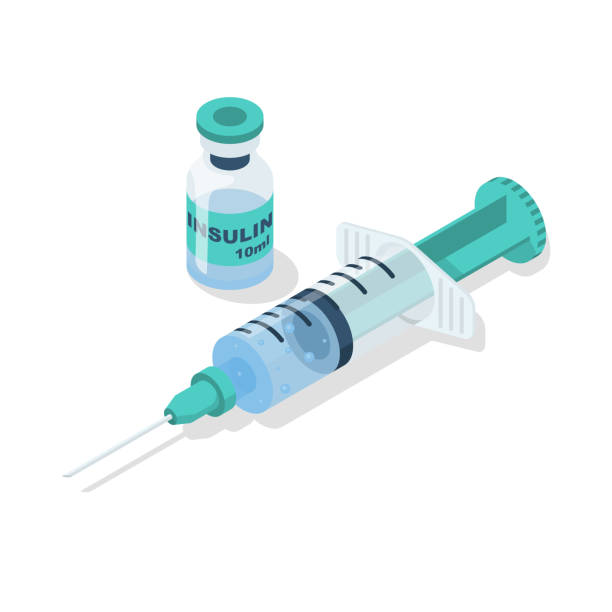
4. Insulin Therapy
Some patients with Type 2 diabetes may require insulin when other treatments are insufficient or when blood glucose levels are significantly elevated. Insulin therapy is individualized according to medical needs.
5. Healthy Diet Plan
A balanced diet containing vegetables, whole grains, lean proteins, healthy fats, and fiber-rich foods can support blood sugar management. Portion control and limiting sugary drinks are also important.
6. Regular Physical Activity
Activities such as walking, cycling, and swimming can improve insulin sensitivity and help maintain healthier blood glucose levels. Patients should choose activities appropriate for their health and physical abilities.

7. Weight Management
For patients who are overweight, gradual and sustainable weight loss can improve insulin sensitivity and may help reduce blood glucose levels.
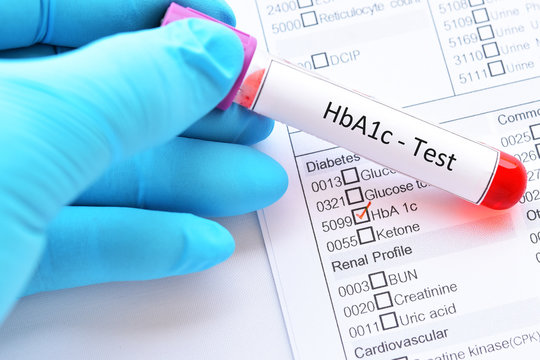
8. HbA1c Testing
The HbA1c test measures average blood glucose over approximately two to three months. Regular testing helps doctors assess diabetes control and determine whether treatment adjustments are needed.
9. Newer Diabetes Medications
GLP-1 receptor agonists and SGLT2 inhibitors may benefit selected patients by improving glucose control. Some medicines in these classes also offer cardiovascular or kidney benefits for eligible patients.
10. Blood Pressure and Cholesterol Management
Controlling blood pressure and cholesterol is essential for reducing the risk of heart disease, stroke, and other diabetes-related complications.
11. Prevention of Diabetes Complications
Regular eye examinations, kidney function tests, foot assessments, and nerve evaluations help detect complications early and support timely treatment.
12. Stress Management and Quality Sleep
Managing stress and maintaining a consistent sleep schedule can support overall health and make diabetes management easier.
13. Personalized Treatment Plans
Type 2 diabetes treatment varies from person to person. A diabetologist considers glucose levels, medical history, other health conditions, and treatment preferences when developing an individualized plan.
14. Regular Diabetologist Consultations
Routine follow-ups help monitor treatment effectiveness, review medications, assess potential side effects, and update management goals when necessary.
Conclusion
Type 2 diabetes can often be managed effectively through appropriate medication, balanced nutrition, regular physical activity, and ongoing medical supervision. Early treatment and consistent monitoring can help improve blood glucose control and reduce the risk of long-term complications.
Medical Disclaimer: This article is for educational purposes only and does not replace professional medical advice, diagnosis, or treatment. Patients should consult a qualified healthcare professional before changing their medications or treatment plan.