Blood Sugar Management
1. What Is Blood Sugar Management?
Blood sugar management involves maintaining blood glucose levels within an individualized target range through healthy lifestyle choices, regular monitoring, and appropriate medical treatment.
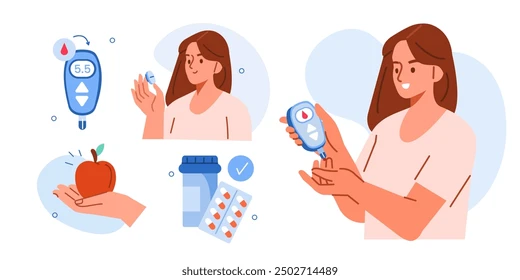
2. Regular Blood Sugar Monitoring
Checking blood glucose with a glucose meter or continuous glucose monitor (CGM) helps patients understand their glucose patterns and identify high or low blood sugar levels.
3. Healthy Diet and Nutrition
A balanced diet containing vegetables, whole grains, lean proteins, healthy fats, and fiber-rich foods can support blood sugar control. Limiting sugary drinks and excess added sugars is also beneficial.
4. Carbohydrate Management
Carbohydrate-containing foods, including bread, rice, potatoes, and fruits, affect blood glucose levels. Understanding carbohydrate portions and distributing them appropriately throughout the day can improve glucose management.
5. Regular Physical Activity
Activities such as walking, cycling, and swimming can improve insulin sensitivity and support blood sugar control. Exercise plans should be tailored to individual health conditions and treatment.
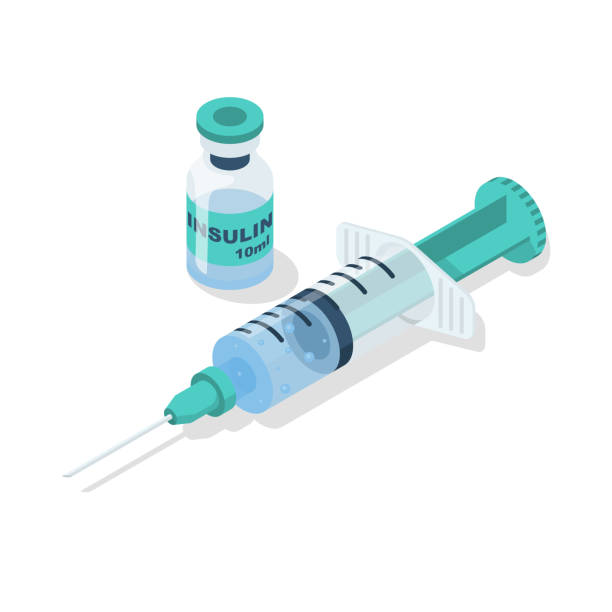
6. Diabetes Medications and Insulin
Taking prescribed medications consistently is essential for managing diabetes. Some patients may require insulin or other glucose-lowering medicines based on their diabetes type, glucose levels, and overall health.
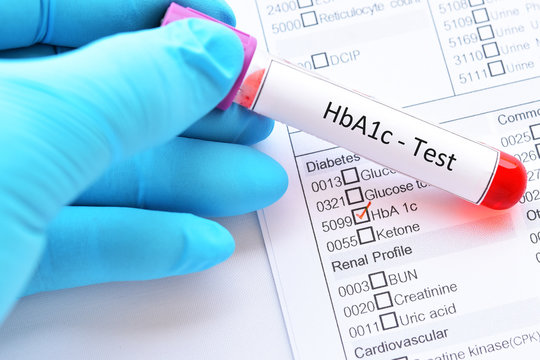
7. HbA1c Testing
The HbA1c test measures average blood glucose over approximately two to three months. It helps healthcare professionals evaluate long-term glucose control and assess whether treatment adjustments are needed.
8. Maintaining a Healthy Weight
For people who are overweight, gradual and sustainable weight loss can improve insulin sensitivity and help manage blood glucose levels, particularly in Type 2 diabetes.
9. Stress Management and Quality Sleep
Stress and insufficient sleep can affect blood glucose levels and daily diabetes management. Maintaining a consistent sleep schedule and practicing relaxation techniques may support better glucose control.
10. Recognizing Low Blood Sugar (Hypoglycemia)
Symptoms may include sweating, shaking, hunger, dizziness, and confusion. People at risk should follow their healthcare professional's treatment plan. Severe hypoglycemia requires immediate emergency assistance.
11. Managing High Blood Sugar (Hyperglycemia)
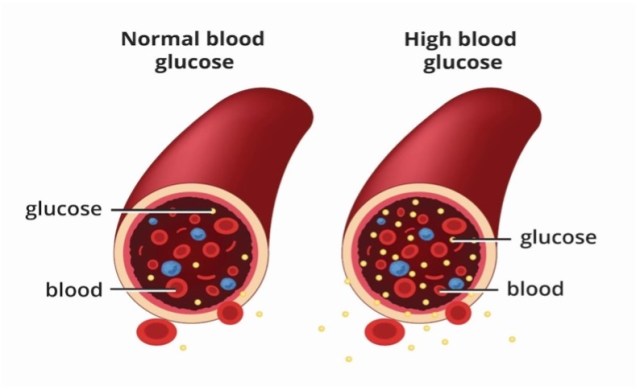
High blood sugar may cause excessive thirst, frequent urination, fatigue, and blurred vision. Persistent or significantly elevated glucose levels require medical assessment, especially when accompanied by vomiting, abdominal pain, or difficulty breathing.
12. Controlling Blood Pressure and Cholesterol
Managing blood pressure and cholesterol is important for reducing the risk of cardiovascular disease, stroke, and other diabetes-related complications.
13. Preventing Diabetes Complications
Regular eye examinations, kidney function tests, foot assessments, and nerve evaluations can help identify complications early and support timely treatment.
14. Personalized Blood Sugar Targets
Blood glucose targets vary depending on diabetes type, age, medications, pregnancy status, and other medical conditions. A diabetologist can establish appropriate individual targets.
15. Regular Diabetologist Consultation
Routine consultations allow the specialist to review glucose readings, HbA1c results, medications, lifestyle habits, and potential complications to optimize the treatment plan.
Conclusion
Effective blood sugar management requires a combination of regular monitoring, balanced nutrition, physical activity, appropriate medication, and professional medical guidance. Consistent diabetes care can improve glucose control and reduce the risk of long-term complications.
Medical Disclaimer: This article is intended for educational purposes only and does not replace professional medical advice, diagnosis, or treatment.