1. What Is Insulin Therapy?
Insulin therapy is a medical treatment used to control blood glucose levels. Insulin helps glucose move from the bloodstream into the body's cells, where it is used for energy.
2. When Is Insulin Therapy Needed?
Insulin is essential for people with Type 1 diabetes. Patients with Type 2 diabetes may also require insulin when blood glucose levels remain high or during certain medical conditions.
3. Types of Insulin
Different types of insulin work at different speeds and durations. These include rapid-acting, short-acting, intermediate-acting, long-acting, and premixed insulin.
4. Insulin Injection Methods
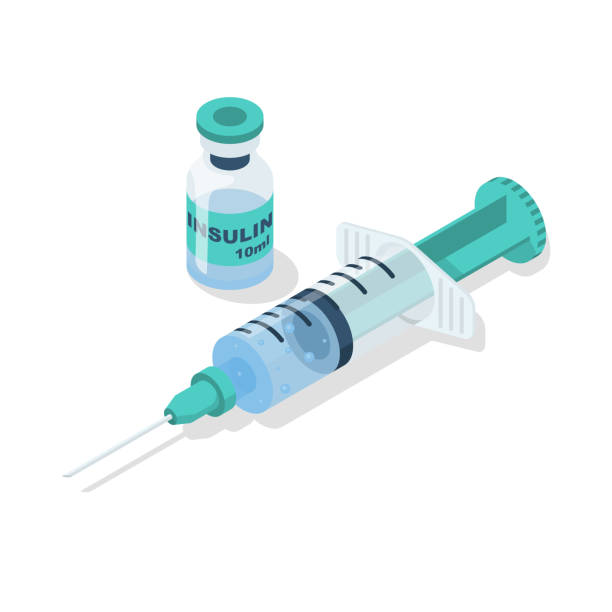
Insulin is commonly administered through injections under the skin using an insulin pen or syringe. Proper injection technique and rotation of injection sites help improve insulin delivery and reduce skin complications.
5. Individualized Insulin Dosage
Insulin doses depend on blood glucose levels, food intake, physical activity, diabetes type, and other medical conditions. A qualified healthcare professional determines the appropriate dose and schedule.
6. Blood Sugar Monitoring During Insulin Therapy
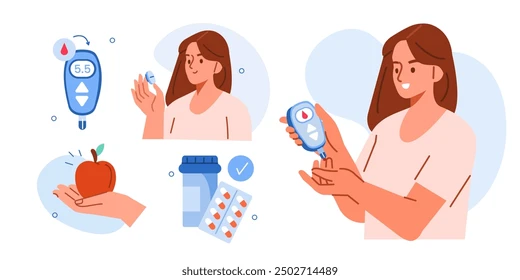
Regular glucose monitoring helps patients understand their blood sugar patterns and identify high or low glucose levels. Monitoring frequency should follow the healthcare professional's recommendations.

7. Insulin Pump Therapy
An insulin pump delivers insulin continuously throughout the day and can provide additional doses around meals. It may be suitable for selected patients based on their medical needs and preferences.
8. Hypoglycemia (Low Blood Sugar)
Low blood sugar is a potential side effect of insulin therapy. Symptoms may include sweating, shaking, dizziness, hunger, and confusion. Patients should learn how to recognize and manage hypoglycemia safely.
9. Insulin Storage and Safety
Insulin must be stored according to the manufacturer's instructions and protected from freezing and excessive heat. Patients should check expiration dates and use the correct insulin product.
10. Insulin and Meal Planning
Coordinating insulin with meals and carbohydrate intake can help maintain better glucose control. Patients should receive individualized guidance on meal timing and insulin administration.
11. Common Insulin Therapy Mistakes
Missed doses, incorrect injection techniques, improper storage, and failure to monitor glucose can affect treatment effectiveness. Diabetes education can help patients avoid these problems.
12. Managing Blood Sugar During Illness and Exercise
Illness and physical activity can change insulin requirements and glucose levels. Patients should follow an individualized sick-day and exercise plan provided by their healthcare professional.
13. Regular Medical Follow-Up
Routine consultations help the diabetologist review glucose readings, insulin effectiveness, side effects, and treatment goals. Insulin adjustments should be made under appropriate medical guidance.
Conclusion
Insulin therapy is an important part of diabetes management, especially for people with Type 1 diabetes and some people with Type 2 diabetes. Correct administration, regular glucose monitoring, appropriate nutrition, and ongoing medical supervision help improve blood sugar control and reduce the risk of complications.
Medical Disclaimer: This article is for educational purposes only and does not replace professional medical advice, diagnosis, or treatment. Never stop insulin or change your dosage without guidance from your healthcare professional.