
Hemorrhoidal Band Ligation
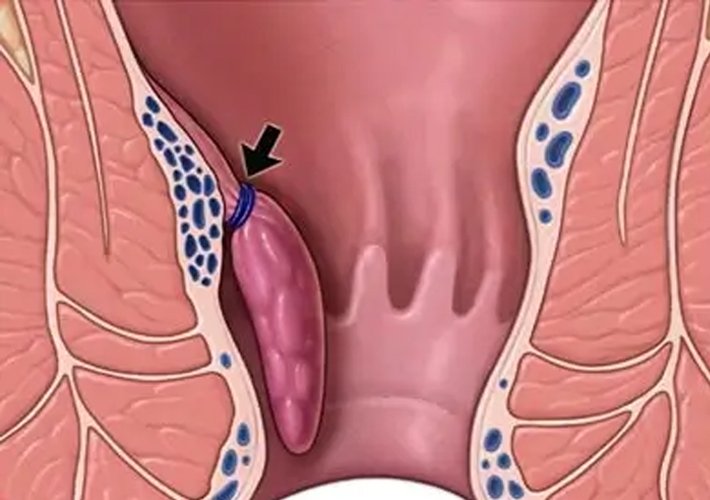
Rubber bands placed on internal hemorrhoids to cut off blood supply. Why it’s done: Bleeding or prolapsing hemorrhoids Failed medical treatment Preparation: Light diet Enema may be advised What to expect: No sedation needed Bands placed via anoscope Takes 5–10 minutes Risks: Pain, bleeding Rare infection Follow-up: Repeat if needed Avoid straining
ESD (Endoscopic Submucosal Dissection)
Advanced technique to remove larger or deeper GI lesions en bloc by cutting through the submucosal layer. Why it’s done • Early cancers >2 cm or with fibrosis • High-grade dysplasia in Barrett’s esophagus or stomach Preparation • Fasting or bowel prep per location • Stop anticoagulants per protocol • Discuss higher-risk of complications Procedure […]
EMR (Endoscopic Mucosal Resection)
Removal of superficial lesions or early cancers from the GI mucosa by injecting fluid beneath the lesion, then snaring it. Why it’s done • Large or sessile polyps • Early-stage mucosal cancers Preparation • Bowel prep or fasting depending on location • Adjust blood thinners as advised Procedure • Sedation; lesion lifted with solution injection […]
EUS (Endoscopic Ultrasound)
Combines endoscopy and high-frequency ultrasound to image and biopsy structures adjacent to the GI tract. Why it’s done • Pancreatic masses or cysts • Submucosal GI lesions • Staging of esophageal or rectal cancer • Lymph-node sampling Preparation • Fast 6–8 hours • Consent for possible FNA/FNB biopsy Procedure • Sedation; echoendoscope advanced to target […]
ERCP (Endoscopic Retrograde Cholangiopancreatography)
An endoscopic and fluoroscopic technique to diagnose and treat biliary and pancreatic duct disorders. Why it’s done • Jaundice from bile-duct stones or strictures • Cholangitis, pancreatic duct leaks or strictures Preparation • Fast 8 hours • Review and adjust blood thinners per protocol Procedure • Sedation or anesthesia; endoscope reaches duodenum • Contrast injected […]
Pediatric Colonoscopy
Endoscopic examination of the colon in children under sedation or anesthesia. Why it’s done • Chronic diarrhea or bleeding • Suspected pediatric IBD or polyps Preparation • Age-appropriate bowel prep regimen • Clear liquids day before Procedure • Under sedation, a pediatric colonoscope examines the colon and terminal ileum • Biopsies or polypectomy as needed […]
Pediatric Gastroscopy
Upper GI endoscopy performed under sedation or anesthesia in infants, children, or adolescents. Why it’s done • Persistent vomiting, failure to thrive • Suspected celiac disease, eosinophilic esophagitis • Unexplained anemia or upper-GI bleeding Preparation • NPO for 6–8 hours (clear fluids up to 2 hours before) • Pre-procedure anesthesia evaluation Procedure • Under general […]
GI Bleeding Management
Identification and control of bleeding within the gastrointestinal tract via endoscopic, medical, or surgical means. Upper GI bleeding causes • Peptic ulcers • Esophageal or gastric varices • Mallory-Weiss tears • Gastritis, erosions Lower GI bleeding causes • Hemorrhoids, anal fissures • Diverticular bleeding • Angiodysplasia • Colonic polyps or cancer • Inflammatory bowel disease […]
