What Are GI Neuroendocrine Tumors?
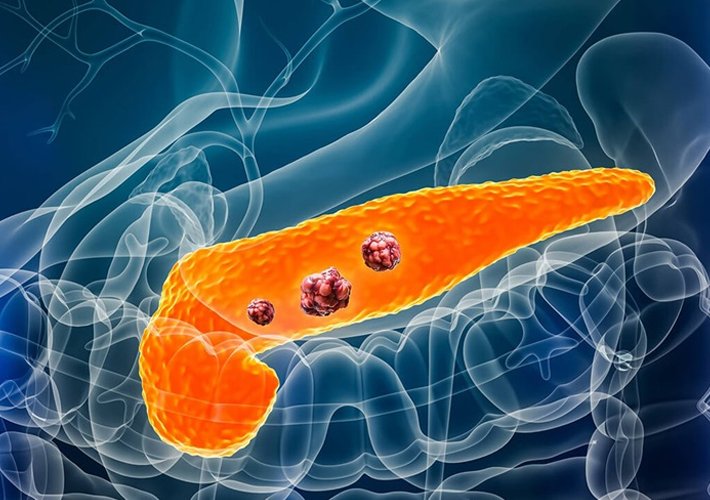
Slow-growing tumors arising from neuroendocrine cells in the GI tract or pancreas.
Why Do I Need Evaluation/Treatment?
Symptoms may include flushing, diarrhea, or obstruction; often incidental on imaging.
How Should I Prepare?
- Imaging: CT/MRI and somatostatin-receptor PET scans.
- Lab: Chromogranin A, 5-HIAA in urine.
What Happens During Treatment?
- Localized: Surgical excision of the tumor.
- Advanced:
- Somatostatin analogs (octreotide)
- Peptide-receptor radionuclide therapy (PRRT)
- Targeted agents (everolimus)
What Can I Expect Afterwards?
- Hospital stay 2–5 days for surgery.
- Follow-up imaging and labs every 3–6 months.
Risks & Possible Complications
- Postoperative leak or bleeding (5–10%)
- Hormonal crisis (rare)
Follow-Up
- Lifelong monitoring for recurrence.
- Manage hormonal syndromes as needed.
Emergency Contact
Dr. AK Lohana Clinics & Endoscopy Services