
The health of your colon and bowels is integral to your overall well-being. Digestive disorders such as Irritable Bowel Syndrome (IBS) can affect this system, leading to a range of symptoms and complications if not properly managed. Understanding these conditions is key to maintaining digestive health and preventing chronic inflammation from progressing.
The Role of the Colon and Bowels
The colon, or large intestine, plays a crucial role in your digestive system. It absorbs water and salts from food remnants that have not been digested as food moves through the digestive tract. Proper functioning of the colon is essential for waste elimination and maintaining fluid and electrolyte balance.
What is IBS?
Irritable Bowel Syndrome (IBS) is a common disorder affecting the large intestine. It is characterized by symptoms such as:
- Abdominal Pain and Cramping: Often relieved by bowel movements.
- Bloating and Gas: Frequent and uncomfortable.
- Diarrhea or Constipation: Some individuals experience alternating bouts of both.
- Mucus in Stool: A common symptom in those with IBS.
Causes and Triggers of IBS
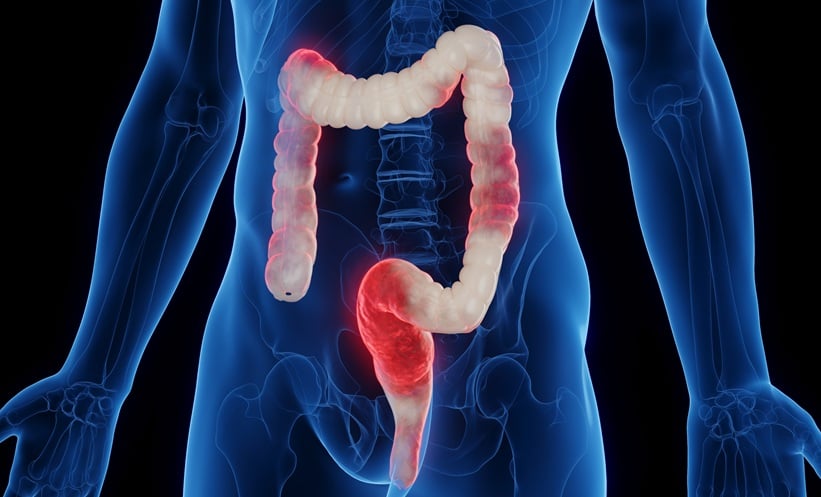
While the exact cause of IBS is unknown, several factors may contribute to its development:
- Muscle Contractions in the Intestine: Stronger and longer contractions can cause bloating, gas, and diarrhea. Weaker contractions may slow food passage, leading to constipation.
- Nervous System: Poorly coordinated signals between the brain and intestines can cause the body to overreact to normal digestive processes, leading to pain and altered bowel habits.
- Inflammation in the Intestines: Some people with IBS have increased numbers of immune-system cells in their intestines, which can be associated with pain and diarrhea.
- Severe Infection: IBS can develop after a severe bout of diarrhea caused by bacteria or a virus. It may also be linked with an excess of bacteria in the intestines.
- Changes in Gut Microbiota: Microorganisms in the intestines play a crucial role in health. Changes in these bacteria can contribute to IBS symptoms.
Managing IBS
Effective management of IBS involves a combination of dietary changes, lifestyle modifications, and medical treatments:
- Dietary Adjustments:
- High-Fiber Diet: Gradually increase fiber intake to improve bowel movements.
- Low FODMAP Diet: Avoid foods high in fermentable oligo-, di-, mono-saccharides, and polyols that can exacerbate symptoms.
- Hydration: Drink plenty of fluids to aid digestion and prevent constipation.
- Lifestyle Modifications:
- Regular Exercise: Helps maintain proper digestion and reduces stress.
- Stress Management: Techniques such as yoga, meditation, or counseling can alleviate symptoms.
- Adequate Sleep: Essential for overall health and stress reduction.
- Medications:
- Antispasmodics: To relieve abdominal pain and cramping.
- Laxatives or Antidiarrheal Medicines: Depending on whether constipation or diarrhea is predominant.
- Antidepressants: Low doses can help relieve IBS symptoms.
When to Seek Medical Help
If you experience persistent bowel symptoms, significant weight loss, or blood in your stool, it’s crucial to consult a healthcare professional. These could be signs of a more serious condition requiring medical evaluation and treatment.
By understanding IBS and implementing effective management strategies, you can reduce the risk of chronic inflammation and improve your digestive health. Remember, early intervention and consistent management are key to preventing progression and maintaining quality of life.
