
Having a family history of stomach cancer can understandably cause concern, as genetic factors can play a role in an individual’s risk for developing the disease. Understanding these risks and taking proactive measures can help in early detection and prevention.
Genetic Factors and Stomach Cancer
- Hereditary Diffuse Gastric Cancer (HDGC): This is a rare inherited condition that significantly increases the risk of developing stomach cancer. It is associated with mutations in the CDH1 gene. Families with a history of HDGC may consider genetic counseling and testing.
- Family History: Even without a specific hereditary syndrome, having a first-degree relative (parent, sibling, or child) with stomach cancer can increase an individual’s risk compared to the general population.
- Genetic Syndromes: Other genetic conditions, such as Lynch syndrome and familial adenomatous polyposis (FAP), also increase the risk of stomach cancer, among other cancers.
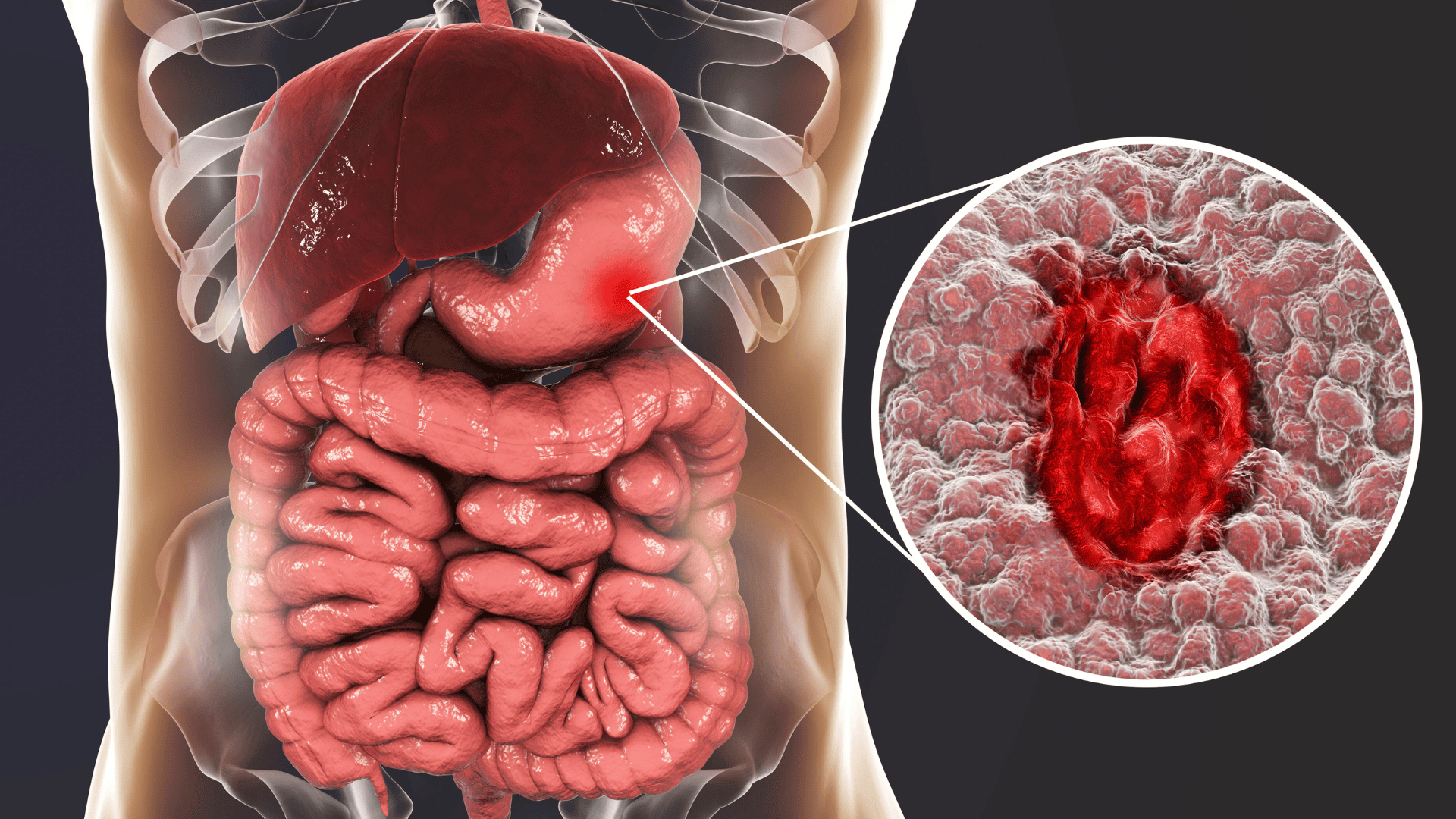
Risk Factors Beyond Genetics
While genetics play a crucial role, other factors can also increase the risk of stomach cancer:
- Helicobacter pylori Infection: A major cause of gastric cancer, this bacterial infection damages the stomach lining and can lead to cancer over time.
- Dietary Factors: Diets high in smoked, salted, or pickled foods can increase stomach cancer risk.
- Smoking: Tobacco use is a known risk factor for many cancers, including stomach cancer.
- Age and Gender: Stomach cancer is more common in older adults and is more prevalent in men than women.

Steps to Mitigate Risk
- Regular Screening and Monitoring: If you have a family history of stomach cancer, discuss regular screening options with your healthcare provider. Endoscopy may be recommended for those at higher risk.
- Genetic Counseling: If a hereditary cancer syndrome is suspected, genetic counseling can provide information about genetic testing and risk management options.
- Healthy Lifestyle Choices: Maintain a balanced diet rich in fruits, vegetables, and whole grains while avoiding processed and high-salt foods. Regular physical activity, limiting alcohol, and avoiding smoking can also reduce risk.
- H. pylori Testing: If there is a family history of stomach cancer, consider testing for H. pylori, as early eradication of the bacteria can reduce cancer risk.
When to Seek Medical Advice
If you experience symptoms such as unexplained weight loss, persistent stomach pain, nausea, or early satiety, it is essential to seek prompt medical evaluation. Early detection is vital for effective treatment and improved outcomes.
By understanding your family history and risk factors, you can take proactive steps to monitor and reduce your risk of stomach cancer. Regular consultations with healthcare professionals can provide guidance tailored to your specific needs. Remember, early detection and lifestyle modifications are key components of cancer prevention.
