What Is the Whipple Procedure?
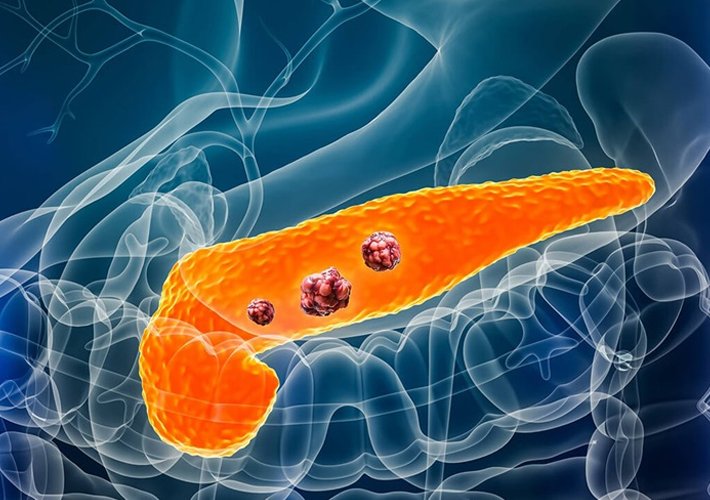
A complex operation removing the pancreatic head, duodenum, gallbladder, and part of the bile duct, with reconstruction of digestive tract continuity.
Why Do I Need It?
Indicated for tumors in the pancreatic head or periampullary region without extensive vessel involvement or metastasis.
How Should I Prepare?
- Assessment: Detailed imaging (CT/MRI), cardio-pulmonary evaluation.
- Nutrition: Prehabilitation if malnourished.
- Fasting: NPO from midnight before surgery.
- Medication Review: Adjust anticoagulants.
- Consent: Discuss high complexity and potential complications.
What Happens During the Procedure?
- Under general anesthesia, abdominal incision (open or pylorus-preserving).
- Removal of head of pancreas, duodenum, bile duct, gallbladder, and sometimes part of stomach.
- Reconstruction: pancreaticojejunostomy, hepaticojejunostomy, gastrojejunostomy.
What Can I Expect Afterwards?
- Hospital Stay: 10–14 days.
- Diet: NPO until bowel function returns, then liquids to solids over 1–2 weeks.
- Enzyme & Insulin: Pancreatic enzyme supplements; monitor blood sugar.
- Rehabilitation: Early mobilization and physical therapy.
Risks & Possible Complications
- Pancreatic fistula (10–20%)
- Delayed gastric emptying (20–30%)
- Bleeding, infection (10–15%)
- Nutritional deficiencies
Seek help for high fevers, abdominal pain, persistent nausea/vomiting, or signs of infection.
Follow-Up
- Pathology to inform adjuvant therapy.
- Regular oncology and surgical clinic visits with imaging every 3 months.